How to Document Drug Allergies in Your Medical Records Safely
Accurate drug allergy documentation in medical records prevents life-threatening errors. Learn how to ensure your history is specific, visible, and up to date for safer care.
Read More
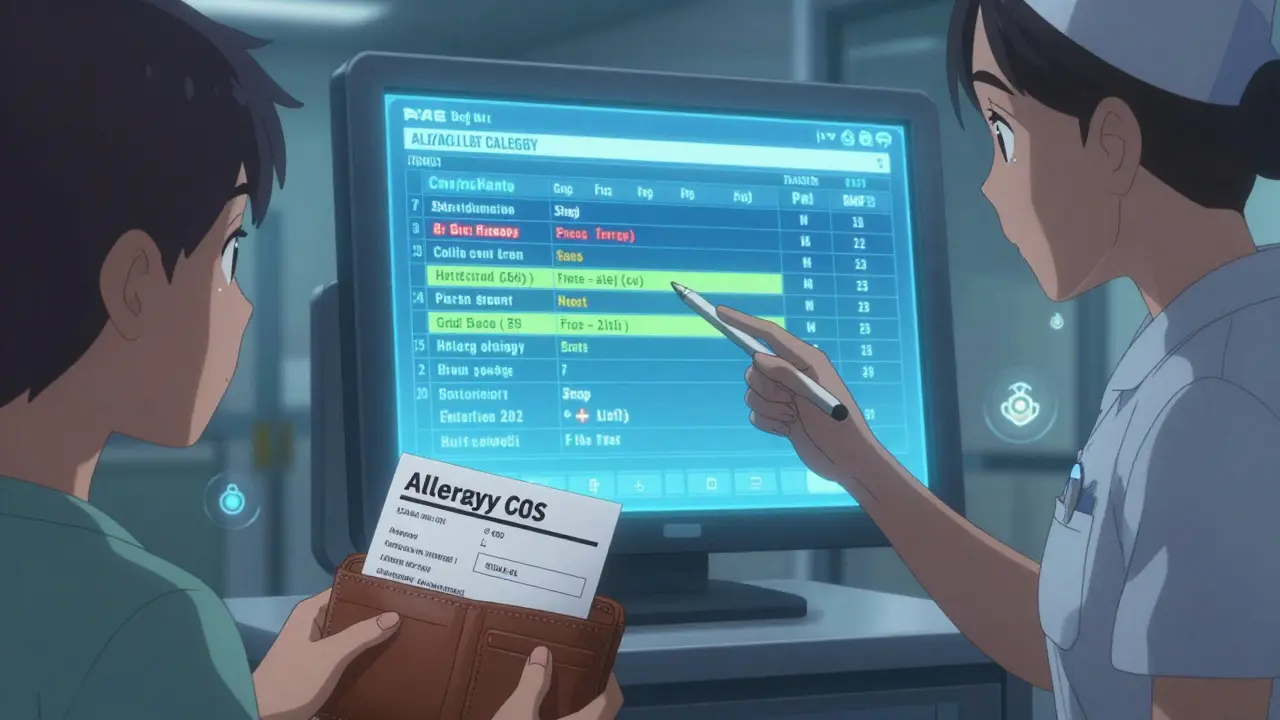
Accurate drug allergy documentation in medical records prevents life-threatening errors. Learn how to ensure your history is specific, visible, and up to date for safer care.
Read More
DTC drug advertising in the U.S. shapes patient demand, steering people toward branded drugs over equally effective generics. While ads boost overall drug use, they also drive up costs and distort perceptions of value - with real consequences for patients and the healthcare system.
Read More
Learn exactly what to bring and discuss at your doctor appointment to get better care, avoid mistakes, and save time. Simple steps can improve diagnosis, reduce errors, and make your visit more effective.
Read More
Breast cancer screening with mammography saves lives. Learn when to start, the difference between 2D and 3D scans, who needs extra testing, and how treatment decisions are made based on tumor biology.
Read More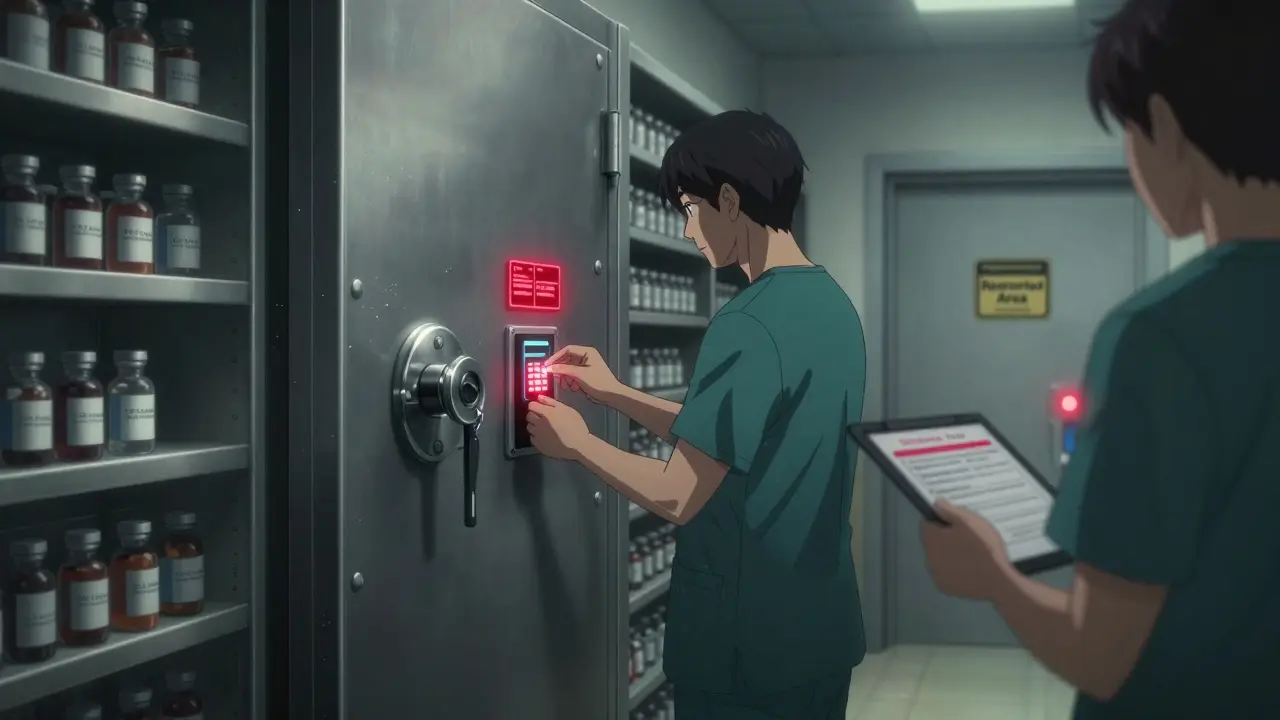
Learn how healthcare facilities can prevent drug diversion through secure storage, dual-control protocols, automated dispensing cabinets, and daily audits. Essential for pharmacies, hospitals, and clinics handling opioids and other controlled substances.
Read More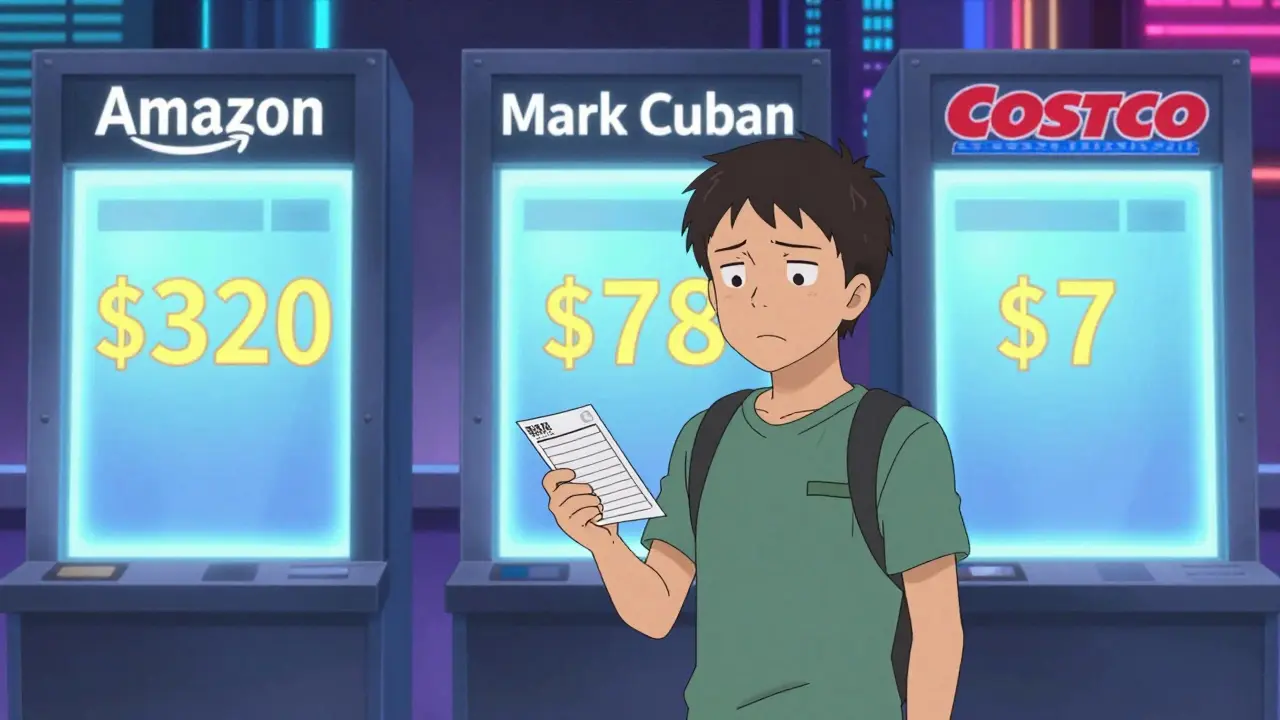
DTC pharmacies can save you hundreds on expensive generics, but for common drugs, insurance or Costco often beat them. Learn where real savings happen - and where you're better off sticking with your current plan.
Read More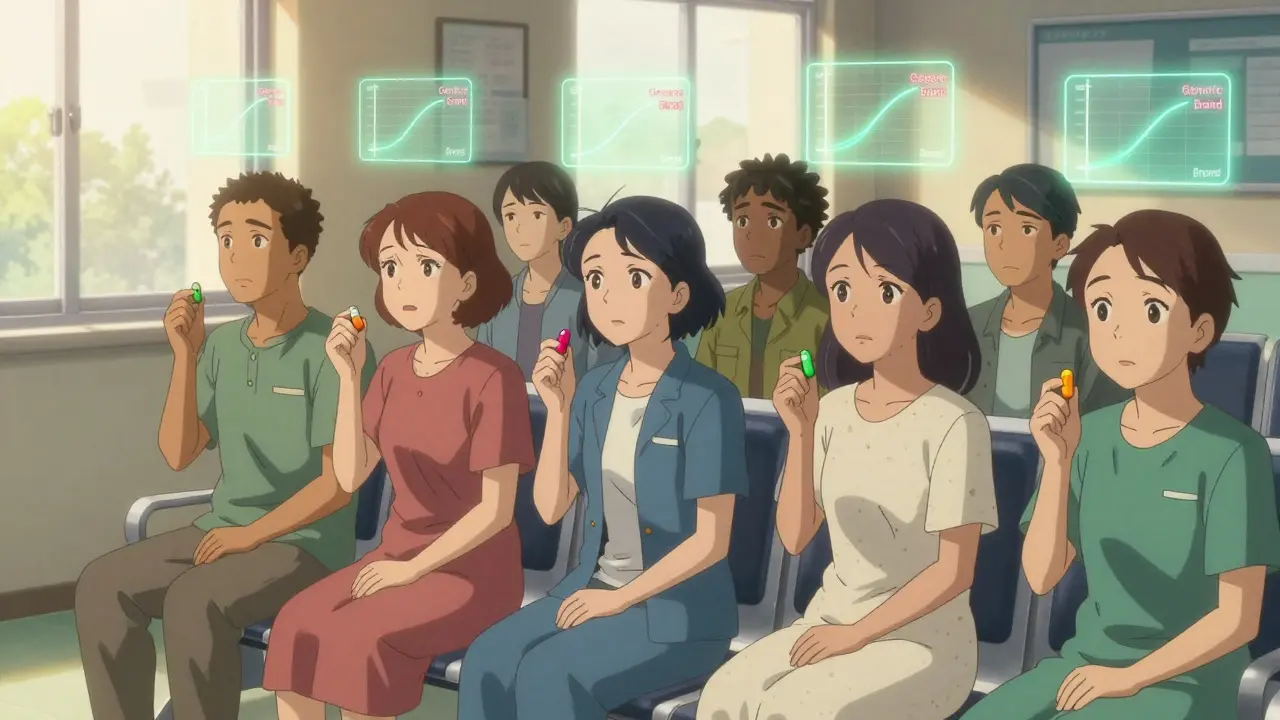
Clinical outcomes data shows generic drugs are just as effective as brand-name drugs for most conditions. Studies confirm bioequivalence, lower costs improve adherence, and patient concerns often stem from perception-not performance.
Read More
In 2024, overdose deaths dropped 27% thanks to crisis resources like 988. Learn how these services work, the challenges they face, and exactly how to access help during a mental health crisis. This guide covers real-time data, actionable steps, and proven strategies for immediate support.
Read More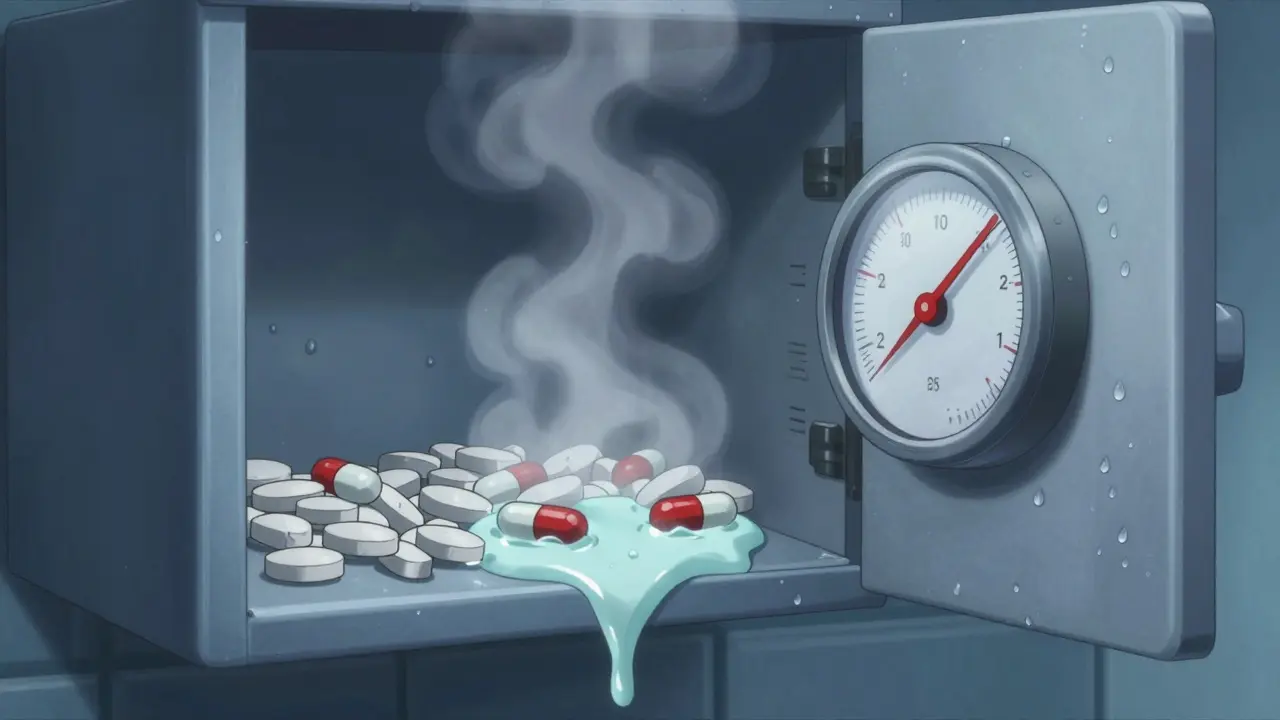
Storing meds in the bathroom can ruin their effectiveness and safety. Humidity, heat, and moisture degrade drugs like insulin and birth control pills. CDC data shows 70% of misused opioids come from home cabinets. Proper storage in cool, dry places keeps meds working. Learn safe storage and disposal tips.
Read More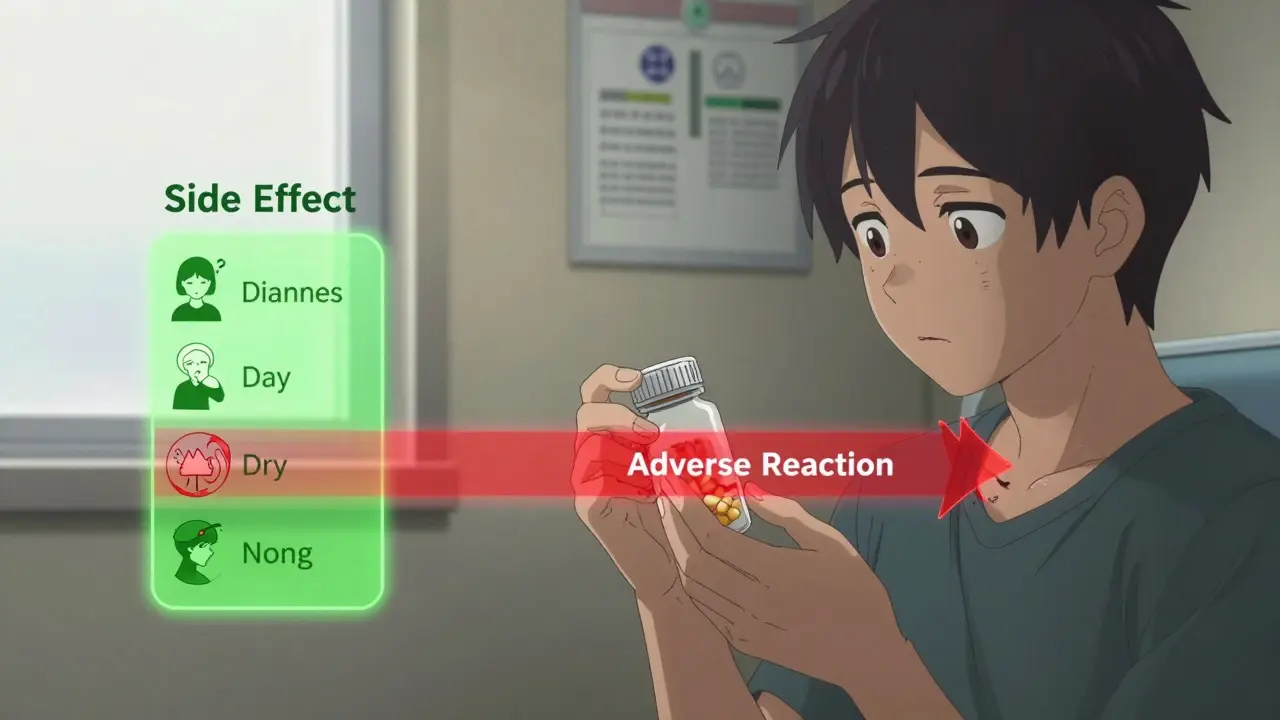
Learn the real difference between side effects and adverse drug reactions - why mixing them up can lead to dangerous decisions, and how to tell them apart for safer medication use.
Read More