
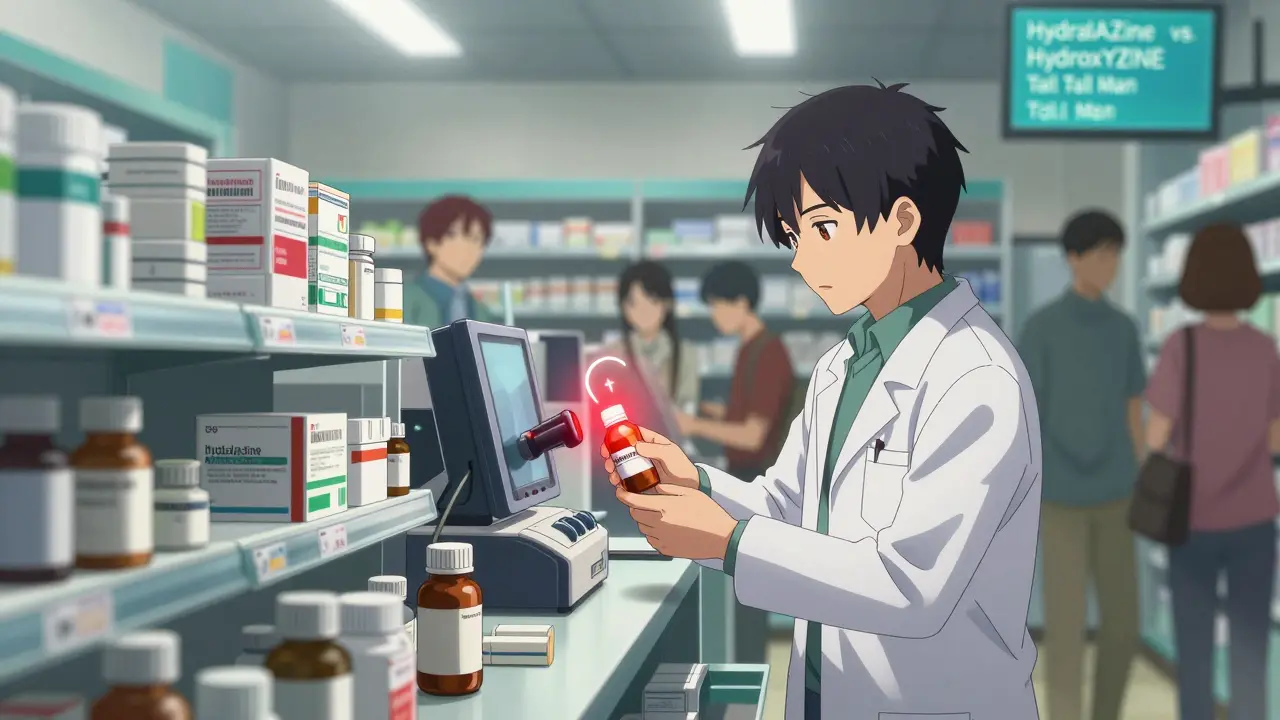
Every year, millions of patients receive the wrong medication, wrong dose, or wrong instructions - not because of negligence, but because the system is flawed. In community and hospital pharmacies around the world, dispensing errors happen more often than most people realize. According to a 2023 global review of 62 studies, about 1.6% of all prescriptions filled contain some kind of error. That might sound small, but when you consider how many prescriptions are filled daily, that’s thousands of avoidable mistakes - some with life-threatening consequences.
What Are the Most Common Dispensing Errors?
Not all errors look the same. Some are obvious - like giving someone aspirin instead of insulin. Others are sneaky, like handing out the right drug but the wrong strength. The top three types of dispensing errors, based on data from the Academy of Managed Care Pharmacy and StatPearls, are:
- Wrong medication, strength, or form - This makes up about 32% of all errors. Think: giving a patient 500 mg of metformin when they were prescribed 850 mg. Or dispensing a tablet when the prescription called for a liquid.
- Dose miscalculations - About 28% of errors come from math mistakes. This is especially common with children, elderly patients, or drugs like heparin and vancomycin that need precise dosing based on weight or kidney function.
- Missing drug interactions or contraindications - Around 24% of errors happen because someone didn’t check if the new prescription clashed with what the patient was already taking. For example, mixing an SSRI antidepressant with an opioid can cause serotonin syndrome - a dangerous, sometimes fatal condition.
Other frequent errors include dispensing expired meds, giving the wrong duration (like 30 days when it should be 7), or failing to catch allergies. Antibiotics are a big one - nearly half of all antibiotic-related errors stem from not checking a patient’s allergy history. And it’s not just about penicillin. People forget about sulfa drugs, cephalosporins, or even non-antibiotic allergens like dyes or fillers in pills.
Why Do These Errors Keep Happening?
It’s tempting to blame the pharmacist. But the real problem isn’t people - it’s pressure, distractions, and broken systems.
A 2022 study of 47 U.S. community pharmacies found that workload is the biggest culprit. Pharmacists are expected to fill 200-300 prescriptions a day, with little time to double-check. When you’re rushing, it’s easy to grab the wrong bottle - especially when two drugs look almost identical. Names like Hydralazine and Hydroxyzine, or Clonazepam and Clonidine, are easy to mix up. That’s why the Institute for Safe Medication Practices recommends Tall Man lettering - using uppercase letters to highlight differences (like HydralAZine vs. HydroxYZINE). Pharmacies that adopted this saw a 57% drop in these kinds of errors.
Interruptions are another silent killer. Every time a pharmacist is pulled away - to answer a phone, help a customer, or deal with insurance - the risk of error jumps. Studies show that if a pharmacist is interrupted three or more times while filling a prescription, the chance of a mistake increases by over 12%. And let’s not forget handwritten prescriptions. Even in 2026, about 43% of errors come from unclear handwriting. A scribbled “5” can look like a “3”. A “U” for units can be mistaken for a “0”.
Then there’s the lack of information. About 29% of errors happen because the prescriber didn’t include enough details - no weight, no renal function, no allergy history. And if the pharmacy’s system doesn’t flag missing data, the pharmacist has to guess. That’s a recipe for disaster.
How Can We Stop These Errors?
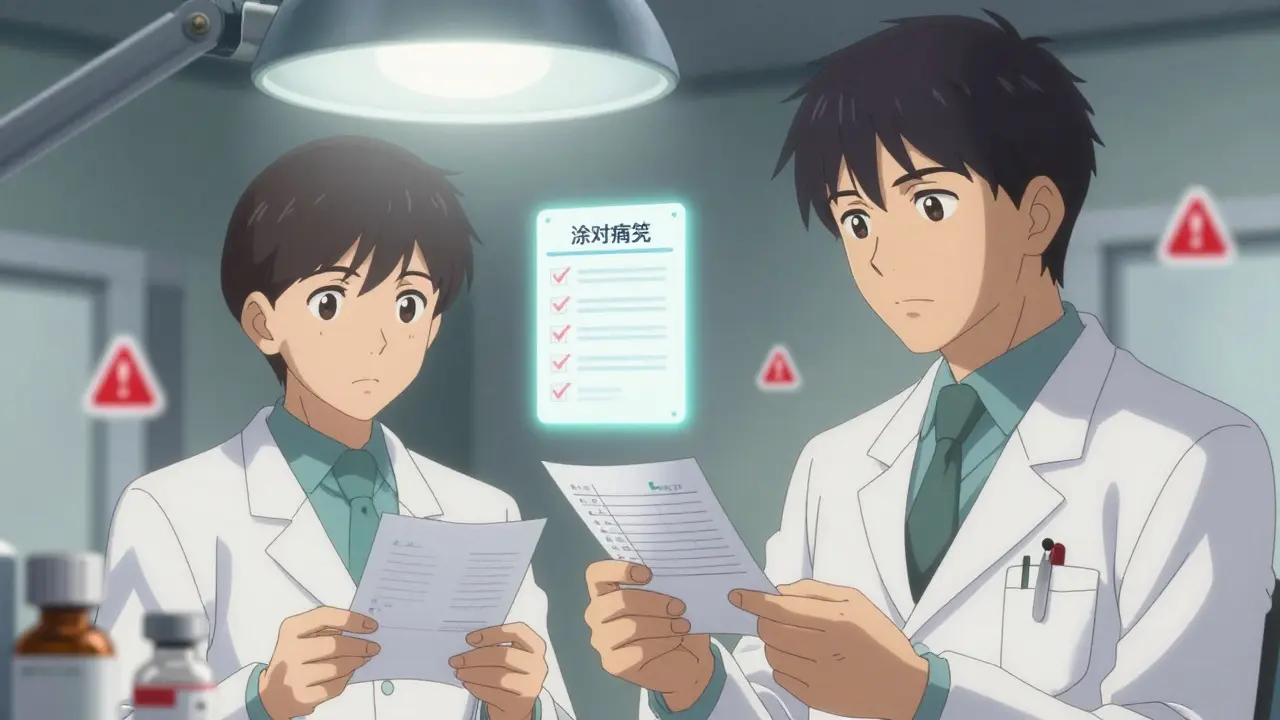
The good news? Most dispensing errors are preventable - if the system is built right.
Barcoding systems have proven to be one of the most effective tools. When a pharmacist scans the prescription and the medication, the system checks for matches. If the drug, dose, or patient doesn’t line up, it stops the process. A 2021-2023 survey of 127 hospitals found barcoding cut errors by nearly half. Wrong drug errors dropped by 52%, wrong dose by 49%, and wrong form by 45%.
Double-checking high-risk meds is another simple, powerful fix. Insulin, heparin, opioids, and anticoagulants like warfarin are responsible for the majority of serious errors. Many hospitals now require two pharmacists to independently verify these prescriptions before they leave the pharmacy. One hospital reported a 78% drop in insulin errors after implementing this rule.
Computerized prescribing (CPOE) helps too - but not without problems. When prescribers enter orders directly into a system with clinical decision support, errors drop by 43%. But here’s the catch: too many alerts can cause “alert fatigue.” One pharmacist described it as being “numb” to warnings. If the system flags every possible interaction - even low-risk ones - pharmacists start ignoring them. The key is smart alerting: only flag high-risk combinations, and make sure the system learns from past errors.
Pharmacy incident reporting systems like Pharmapod are also making a difference. When pharmacies log every error - even near-misses - they start to see patterns. One pharmacy noticed that 80% of wrong-strength errors happened on Mondays. Why? Because weekend prescriptions were backed up, and staff were rushing. They adjusted staffing, and errors dropped 40% in three months.
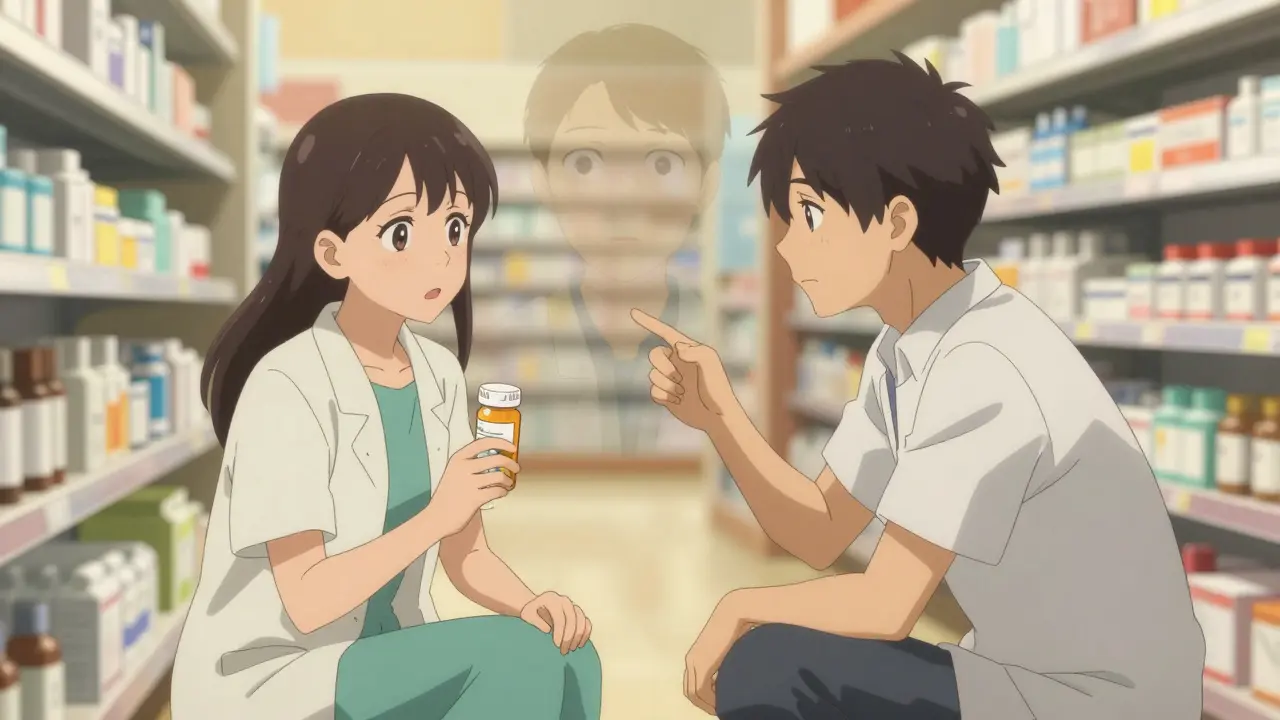
And don’t underestimate the power of patient counseling. Even five minutes of talking with a patient can catch mistakes. Ask: “What are you taking this for?” “Have you taken this before?” “Did your doctor tell you how to use it?” Simple questions like these have caught patients who were given the wrong drug because they didn’t recognize the pill’s shape or color.
What’s Next? Technology and Standardization
The future of medication safety is digital - but it’s not just about robots and AI.
Robotic dispensing systems can reduce errors by over 60%. But they cost between $150,000 and $500,000. Not every community pharmacy can afford that. Still, smaller innovations are spreading fast. AI tools that predict which prescriptions are most likely to go wrong are being tested in 34 hospitals. They analyze patterns - like which prescribers have high error rates, which patients have complex med lists, or which times of day are busiest - and flag high-risk cases before they’re filled.
The biggest shift coming? Standardization. Right now, every pharmacy, every hospital, every country defines and reports errors differently. That makes it hard to learn from each other. The World Health Organization and ISMP are working on a global classification system set to launch in early 2025. Once it’s in place, every error - whether in Melbourne, Mumbai, or Milwaukee - will be categorized the same way. That means data can be shared, patterns can be spotted, and solutions can spread faster.
By 2030, experts predict integrated systems - where electronic health records talk directly to pharmacy software - could cut dispensing errors by up to 75%. But that won’t happen overnight. Only 39% of community pharmacies in the U.S. have fully connected systems today. The rest are still using paper, fax, or outdated software.
What Can Patients Do?
You don’t have to wait for the system to fix itself. You can protect yourself.
- Always ask: “Is this the same as what I took before?”
- Check the pill’s shape, color, and markings against your last prescription.
- Ask the pharmacist: “What is this for? How should I take it?”
- Keep a list of all your meds - including supplements - and bring it to every appointment.
- If you’re given a new drug, ask if it interacts with anything you’re already taking.
Patients who ask these questions reduce their risk of being part of the 1.6%.
What is the most common type of pharmacy dispensing error?
The most common dispensing error is giving the wrong medication, strength, or dosage form - accounting for about 32% of all errors. This includes giving the right drug but the wrong dose (e.g., 500 mg instead of 850 mg) or the wrong form (tablet instead of liquid). These errors are especially dangerous with high-alert medications like insulin, anticoagulants, and opioids.
Why do dispensing errors happen even in modern pharmacies?
Dispensing errors happen because of system failures, not individual mistakes. High workload, frequent interruptions, similar-looking drug names, and unclear prescriptions are the main causes. Even with technology, if pharmacists are rushed or overwhelmed, errors creep in. A 2022 study found that three or more interruptions during one prescription fill increased error risk by over 12%.
How effective are barcode scanning systems in preventing errors?
Barcode scanning systems have reduced dispensing errors by nearly 47% across 127 hospitals. They’re especially effective at catching wrong drugs (52% reduction), wrong doses (49% reduction), and wrong dosage forms (45% reduction). The system compares the scanned prescription with the scanned medication and alerts the pharmacist if there’s a mismatch - stopping the error before it reaches the patient.
Are handwritten prescriptions still a problem today?
Yes. Even in 2026, about 43% of dispensing errors stem from illegible handwritten prescriptions. A poorly written “5” can be read as a “3,” and a “U” for units can be mistaken for a “0.” Many pharmacies now require electronic prescriptions, but in rural areas or with older prescribers, paper is still common. Tall Man lettering and electronic prescribing are helping reduce this issue.
What role do pharmacists play in preventing errors?
Pharmacists are the final safety check. They verify the right drug, dose, patient, route, and timing - known as the “Five Rights.” But they can’t do it alone. They need clear prescriptions, good technology, enough time, and support staff. Blaming pharmacists for errors doesn’t fix the system. The most successful pharmacies treat errors as system failures and use data to redesign workflows - not punish staff.
Can patients help prevent dispensing errors?
Absolutely. Patients who ask questions - like “Is this the same as before?” or “What is this for?” - catch errors that even pharmacists miss. Studies show that patients who review their medication list and speak up reduce their risk of being harmed by a dispensing error by up to 40%. Keeping an updated list of all medications and bringing it to every appointment is one of the simplest ways to stay safe.
Final Thoughts
Dispensing errors aren’t inevitable. They’re symptoms of a system that’s overworked, under-supported, and too fragmented. The tools to fix them exist - barcoding, double-checks, smart alerts, patient engagement. What’s missing is consistent implementation. The goal shouldn’t be to find the one pharmacist who made a mistake. It should be to build a system where no one can make that mistake in the first place.





Comments (14)