
Why the Conversation Needs to Happen Before You Leave the Office
Most of us wait until we're at the pharmacy to find out what a drug costs. By then, the prescription is already sent, and you're standing in line. If the price is too high, you're stuck. Changing a medication requires a new order from your provider, which means more phone calls and potential delays in your care. When you bring up costs during your appointment, your doctor can check their system for similar drugs that your insurance prefers. Research shows that people who have these talks are 37% less likely to skip doses. It turns a stressful pharmacy surprise into a planned healthcare decision. Whether you're dealing with a chronic condition or a one-time infection, knowing the price upfront prevents "prescription abandonment" and ensures you actually start your medication on time.Understanding How Your Insurance Views Drugs
To have a productive talk with your provider, it helps to know how insurance companies categorize medications. Most plans use something called a Formulary, which is essentially a list of drugs the insurance company agrees to cover. These lists are usually broken down into "tiers."\n- Tier 1 (Generics): These are usually the cheapest options. You might only pay a $5 to $15 copay.
- Tier 2 (Preferred Brands): These are brand-name drugs the insurance likes. Copays often range from $25 to $50.
- Tier 3 (Non-Preferred Brands): These are more expensive or have a generic alternative. You could be looking at $50 to $100 per fill.
- Specialty Tiers: These are for complex conditions. Instead of a flat fee, you might pay a percentage (coinsurance), like 30% of the total cost, which can be thousands of dollars.
| Insurance Type | Typical Cost Structure | Key Advantage | Potential Downside |
|---|---|---|---|
| Medicare Part D | Capped out-of-pocket costs (approx. $2,100/yr) | Hard spending limits and monthly payment plans | Varies widely by specific plan chosen |
| Commercial (Employer) | Tiered copays + annual deductibles | Often wider network of pharmacies | No hard annual cap on drug spending |
| Medicaid | Low flat copays (often $1-$3) | Extremely affordable for low-income users | Stricter prior authorization rules |

Specific Questions to Ask Your Provider
Not every doctor is trained to discuss finances, but they are usually happy to help if you ask the right questions. Don't just ask "Is this expensive?"-be specific. Use these prompts to get the data you need:- "Is there a generic version of this medication that is just as effective?" Generics are the fastest way to drop a price from $100 to $10.
- "Is this drug on my insurance's preferred formulary tier?" If it's a Tier 3 drug, ask if there's a Tier 1 or 2 alternative in the same class.
- "Do you have access to real-time pricing tools in your system?" Many modern electronic health records now include Real-Time Prescription Benefit (RTPB) tools that show the doctor exactly what you'll pay before they hit "send."
- "If this is the only option, can you help me with a prior authorization?" This tells the doctor you're worried about coverage and need them to advocate for you with the insurance company.
- "Are there manufacturer coupons or patient assistance programs for this brand?" Some pharmaceutical companies offer cards that can lower the cost significantly, even if insurance doesn't cover the drug.
Preparing for the Appointment: Your Pre-Visit Checklist
Walking into an appointment without info is like going shopping without a budget. To get the most out of your visit, spend ten minutes doing a bit of homework first.- Check your deductible: If it's January or February, you might be paying the full cost of drugs until you hit your annual deductible. Knowing this prevents a shock at the counter.
- Use a formulary lookup tool: If you have an online portal for your insurance (like CVS Caremark or a Medicare plan), search for the drug name. It will tell you the tier and the estimated copay.
- Gather your NDC numbers: If you're already on a medication and want to check costs for a refill or change, find the NDC (National Drug Code) on the bottle. This is the unique ID for the drug and is the only way to get a 100% accurate quote from an insurance agent.
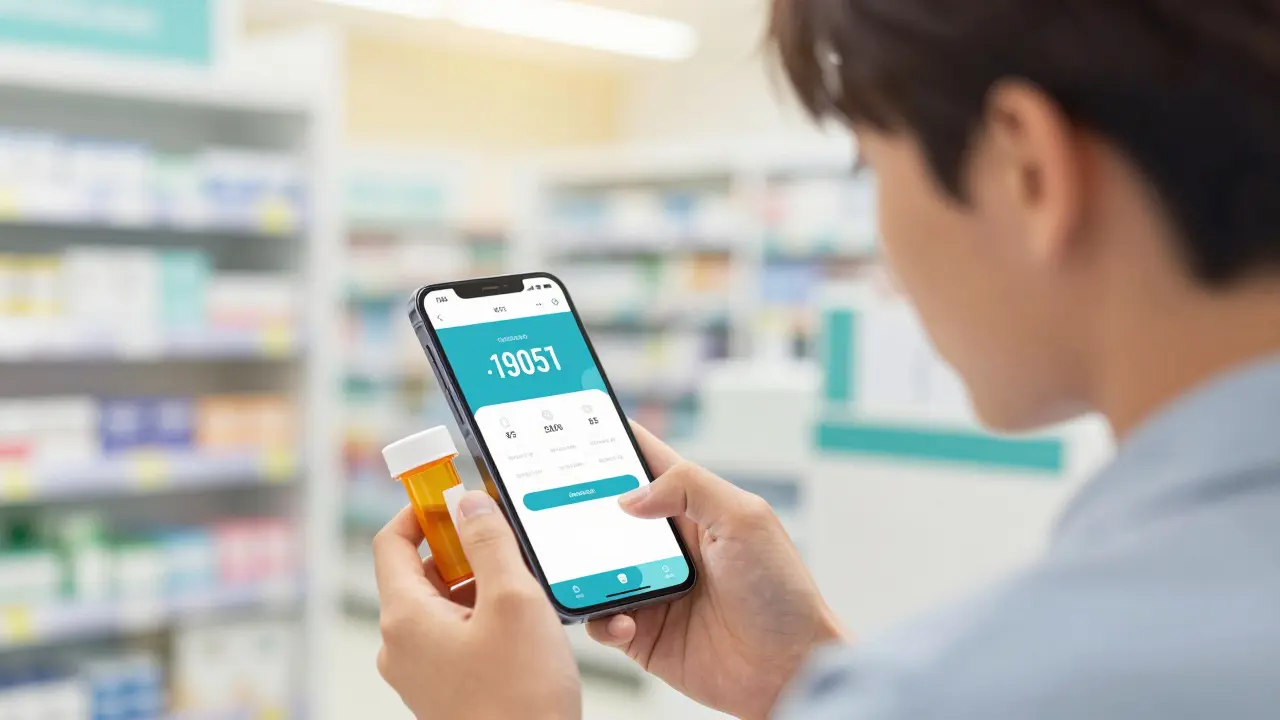
- Compare with third-party tools: Check apps like GoodRx or SingleCare. Sometimes the "cash price" with a coupon is actually cheaper than your insurance copay.
Navigating Special Situations: Insulin and Specialty Drugs
Some medications have special rules that can actually work in your favor if you know about them. For example, under the Inflation Reduction Act, Medicare beneficiaries now have a $35 cap per month for covered insulin. If you're paying more than that, it's time to call your provider and your insurance company to ensure the cap is being applied correctly. Specialty medications-the ones used for autoimmune diseases or rare cancers-are a different beast. They almost always require prior authorization and often involve a "coinsurance" percentage rather than a flat copay. If you're prescribed a specialty drug, ask your doctor for a "patient navigator" or a social worker. These professionals specialize in finding grants and assistance programs specifically for high-cost specialty meds, which can often bring a $2,000 monthly bill down to nearly zero.What to Do if the Price is Still Too High
Even with a good conversation, you might still find the cost prohibitive. Don't just stop taking the medication. Instead, try these fallback strategies:First, ask the pharmacist if there is a therapeutic alternative. This is a drug that does the same thing but is in a different chemical class and might be covered differently by your plan. Second, inquire about the "90-day supply" option. Many insurance plans offer a discount if you get three months of medication via mail-order rather than 30 days at a local pharmacy.
For those on Medicare, look into the Medicare Prescription Payment Plan. Instead of paying a massive lump sum at the pharmacy during a "coverage gap," this allows you to spread your out-of-pocket costs into monthly installments throughout the year. It effectively turns a surprise bill into a manageable monthly subscription.
When is the best time to talk about costs with my doctor?
The absolute best time is during your office visit, before the provider sends the prescription to the pharmacy. This allows the doctor to adjust the medication choice or check for generics immediately without you having to call them back later from the pharmacy.
What is a "formulary" and why does it matter?
A formulary is a list of prescription drugs covered by your insurance plan. It is divided into tiers; the lower the tier, the lower your out-of-pocket cost. If a drug isn't on the formulary, the insurance may not pay for it at all.
Can I get a discount if my insurance doesn't cover a drug?
Yes. You can use price-comparison tools like GoodRx or SingleCare to find coupons. Additionally, many pharmaceutical companies offer patient assistance programs (PAPs) for people who cannot afford their medications.
What is a prior authorization?
A prior authorization is a requirement from your insurance company that your doctor must prove the medication is medically necessary before they will agree to pay for it. This is common for specialty or high-cost drugs.
How do I know if there is a generic version available?
The simplest way is to ask your doctor or pharmacist directly: "Is there a generic equivalent for this drug?" Generics contain the same active ingredients as brand-name drugs but typically cost significantly less.