Imagine spending years and millions of dollars developing a life-saving drug, only for a rogue operation to sell a fake version of it that contains nothing but chalk or, worse, toxic fillers. For pharmaceutical companies, the nightmare isn't just the lost revenue-it's the legal chaos that follows when a patient gets hurt by a product they thought was genuine. This is where counterfeit drug risks collide with the complex world of corporate insurance.
Most people think of insurance as a safety net for accidents, but in the pharma supply chain, it's more like a shield against systemic fraud. With the counterfeit medicine market estimated at roughly $200 billion annually, the scale of the problem is staggering. While big players like Pfizer have blocked over 302 million fake doses from reaching patients, smaller distributors often find themselves caught in the middle of a liability storm they didn't see coming.
The Safety Net: Which Policies Actually Cover Fakes?
If a company accidentally sells a counterfeit drug, they don't just need a generic policy; they need a specific combination of protections. According to industry experts at Beazley, most legitimate players in the supply chain rely on three primary types of coverage:
- Professional Liability Insurance: Covers errors in professional judgment or services provided.
- Product Liability Insurance: This is the big one. It protects the company if a product causes physical harm or death to a consumer.
- Errors and Omissions (E&O) Insurance: Fills the gaps where a mistake in the process-like failing to spot a fake batch during intake-leads to a financial loss for a client.
There is a massive catch, though: the "Good Faith" clause. Insurance isn't a license to be reckless. Coverage generally only kicks in if the company was unaware they were buying or passing on fakes and had no intent to defraud. If a distributor ignores red flags-like a price that's too good to be true or a supplier without a verifiable license-the insurer might walk away from the claim.
Regulatory Guards and Insurance Triggers
Insurance doesn't exist in a vacuum; it follows the law. In the U.S., the Drug Supply Chain and Security Act (DSCSA) changed the game. By mandating electronic tracing of prescription drugs by November 2023, the law created a digital paper trail. For an insurance company, this is gold. It allows them to see exactly where a breach occurred, making it easier to determine who is liable.
On a global scale, the Medicrime Convention, which took effect in 2016, turned the manufacturing and trafficking of fake medical products into a criminal offense. When a crime is committed, the insurance landscape shifts from simple civil liability to a complex mix of criminal defense and recovery. If you're operating in low- or middle-income countries where these laws are weakly enforced, your insurance premiums are likely to be much higher because the risk of "leakage" into the supply chain is far greater.
| Protection Type | Primary Focus | Key Limitation | Impact on Risk |
|---|---|---|---|
| Product Liability | Patient Harm / Death | Requires "Good Faith" operation | High Financial Mitigation |
| DSCSA Tracing | Supply Chain Visibility | High Implementation Cost | Reduces "Blind Spots" |
| Medicrime Convention | Criminal Prosecution | Inconsistent Global Enforcement | Increases Legal Deterrent |
| E&O Insurance | Process Mistakes | Specific to professional errors | Covers Administrative Gaps |
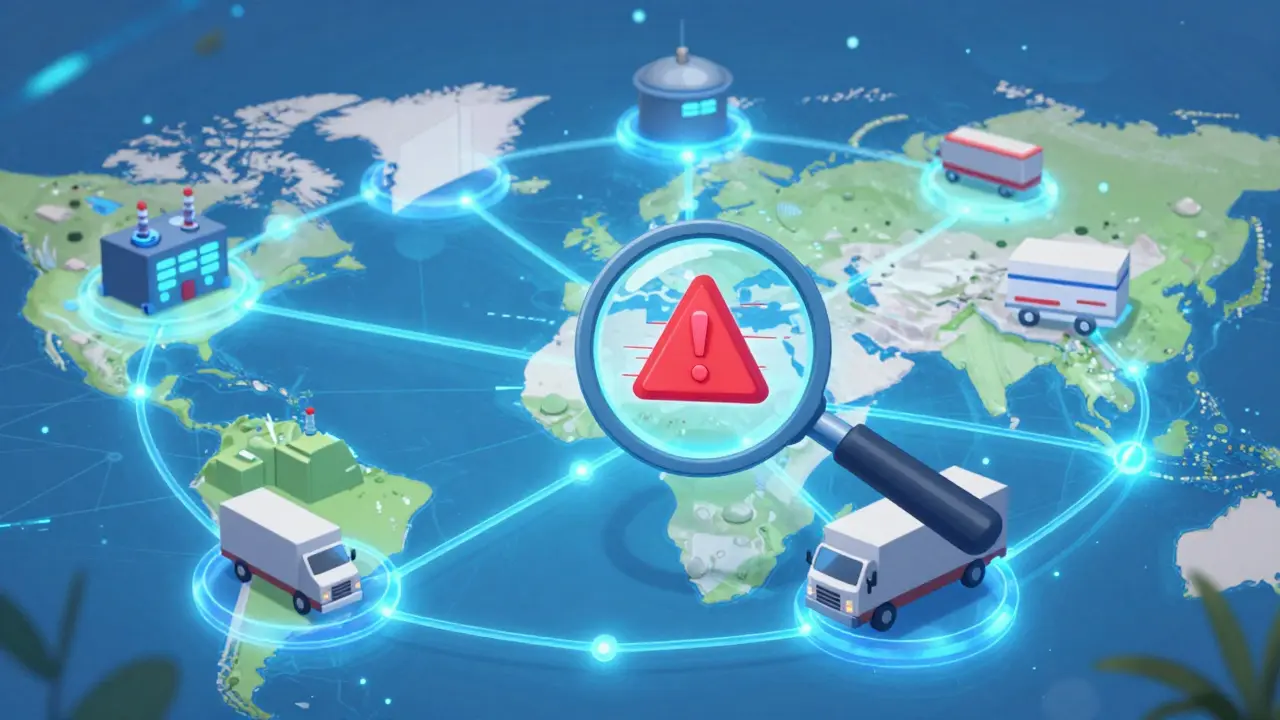
Where the Shield Fails: Gaps in Coverage
No policy is perfect. One of the hardest hits for a company isn't a lawsuit, but the loss of intellectual property and market share. When a counterfeit version of a drug like Avastin (bevacizumab) hits the market, the original manufacturer loses sales. Most insurance policies don't cover this "lost profit" from piracy; they only cover the liability if someone gets sick.
Furthermore, there's the issue of the "Rogue Individual." If a small group of criminals sells a fake batch to a distributor, the distributor may have insurance, but the actual criminals usually have no assets to seize. This leaves the legitimate company holding the bag for the cleanup and the public relations disaster, even if the insurance pays out the legal settlements.
How Big Pharma Lowers Their Premiums
Insurers love data. The more a company can prove they are proactive, the lower their risk profile. Sanofi, for example, uses a dedicated team to troll the internet for illicit offers and runs a central anti-counterfeit laboratory. When you can prove you have a real-time detection system, you're no longer just "hoping" you don't buy fakes-you're actively preventing it.
Other high-value strategies that make insurance companies happy include:
- Using Radio Frequency Identification (RFID) devices to track individual units.
- Implementing FDA-approved pill imprinting identifiers to make fakes easier to spot.
- Partnering with e-commerce platforms to shut down illegal pharmacies immediately.
- Strict adherence to the Verified Internet Pharmacy Practice Sites (VIPPS) standards.
These aren't just operational wins; they are financial hedges. A company that can show a 93% success rate in shutting down illegal sales sites (like Bristol Myers Squibb does) is a much safer bet for an underwriter than a company that just checks invoices once a month.

The Human Cost and the Liability Loop
We can't talk about insurance without talking about the patients. When a counterfeit cancer drug like Keytruda or Gleevec is administered, the patient doesn't just fail to get better-they may suffer toxic reactions from the fake ingredients. This creates a massive liability loop. The pharmacy is sued, the distributor is sued, and the manufacturer is dragged into court to prove they weren't negligent in their supply chain security.
The PubMed studies on this topic highlight a grim reality: counterfeit drugs don't just waste money; they kill. This elevates the stakes of insurance from a business expense to a moral necessity. If your coverage doesn't account for the possibility of "falsified medicines"-which the World Health Organization defines as products that deliberately misrepresent their identity or source-you are exposed to risks that could bankrupt a medium-sized firm in a single class-action lawsuit.
Does professional liability cover intentional fraud?
No. Almost all insurance policies, including professional and product liability, exclude coverage for intentional criminal acts. If a company knowingly sells counterfeit drugs, the insurance will not cover the damages, and the executives could face personal criminal liability.
What is the difference between a "counterfeit" and a "falsified" drug?
While often used interchangeably, the World Health Organization uses "falsified" to describe medical products that deliberately misrepresent their composition, identity, or source. This can include products that look genuine but have the wrong dose or no active ingredient at all.
How does the DSCSA impact insurance premiums?
The Drug Supply Chain and Security Act requires electronic tracing of drugs. Companies that fully implement these systems reduce the "uncertainty" for insurers. Better visibility into the supply chain typically leads to lower premiums because the risk of undetected counterfeits is reduced.
Are oncology drugs higher risk for counterfeiting?
Yes. High-cost therapies like Avastin, Keytruda, and Abraxane are prime targets because they are expensive and in high demand. This makes them a focal point for both counterfeiters and insurance underwriters specializing in oncology product liability.
Can insurance help recover money lost to counterfeit sales?
Generally, no. Insurance is designed to cover liabilities (money you owe others) rather than lost business profits due to market piracy. Recovery of lost funds usually requires legal enforcement and asset seizure through law enforcement agencies.
Next Steps for Risk Management
If you're managing a pharmaceutical supply chain, don't wait for a claim to find out where your gaps are. Start by auditing your current policies specifically for "falsified medicine" clauses. If you're a distributor, ensure your contracts with suppliers include warranties about product authenticity and indemnity clauses that push the risk back to the source.
For those in high-risk regions, look into adding a specialized crime policy or cyber-insurance if you rely on digital marketplaces. Finally, invest in the tech-RFID and real-time monitoring aren't just operational costs; they are the most effective way to ensure your insurance policy actually stays valid when you need it most.