
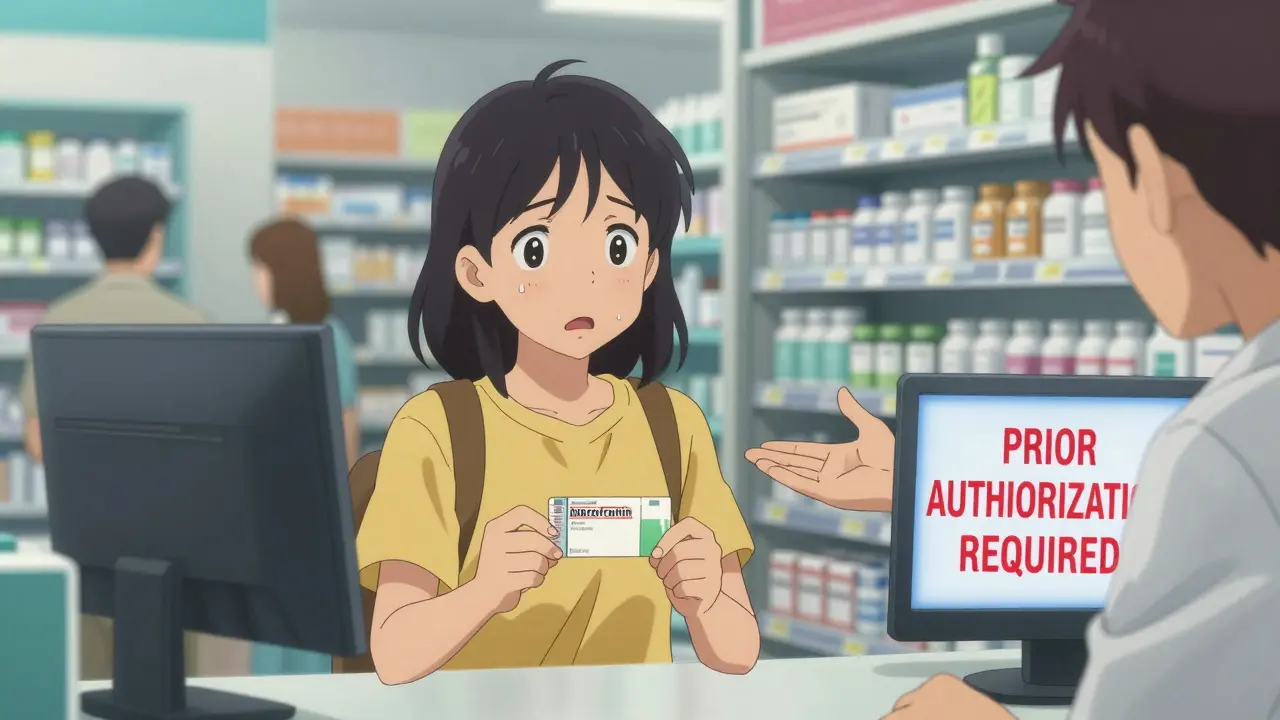
It’s 2026, and your doctor prescribes you a generic version of metformin for type 2 diabetes. It’s cheap. It’s proven. It’s been on the market for decades. But when you get to the pharmacy, the pharmacist says, "We can’t fill this yet. Your insurance needs to approve it first." You’re stunned. How can a $4 generic drug need approval? This isn’t rare anymore. Across the U.S., generic medications - the very drugs meant to cut costs - are now being held up by insurance companies before they can be dispensed.
What Is Prior Authorization for Generics?
Prior authorization is a process where your insurance company requires your doctor to prove why you need a specific drug before they’ll pay for it. For years, this only applied to expensive brand-name drugs or specialty meds like cancer treatments. But now, even simple, low-cost generics like lisinopril, levothyroxine, and atorvastatin are being flagged. According to a 2024 analysis by the Generic Pharmaceutical Association, 15-20% of generic prescriptions now require prior authorization - up from just 5% in 2018. That’s a fourfold increase in less than a decade.This doesn’t make sense on the surface. Generics are supposed to be the default choice because they’re safer, cheaper, and just as effective as brand names. But insurance companies - especially pharmacy benefit managers (PBMs) - are using prior authorization to control how drugs are used across their networks. Sometimes it’s about step therapy: they want you to try one generic before allowing another. Other times, it’s about formulary restrictions: even if a generic is approved, they’ll only cover it if it’s from a specific manufacturer or if you’ve failed a different one first.
Why Are Generics Being Targeted?
The real reason isn’t clinical. It’s financial. PBMs make money from rebates and fees tied to which drugs get prescribed. Even though generics cost less, some PBMs get higher rebates from certain generic manufacturers. So they push providers to prescribe one generic over another - even if the difference is negligible. A patient with high blood pressure might need lisinopril, but the insurer’s formulary favors enalapril because the manufacturer pays a bigger rebate. The only way to get the preferred drug? Prior authorization.It’s also about control. Insurers argue they’re preventing "overuse" or "inappropriate prescribing." But data shows most of these restrictions don’t improve outcomes. A 2024 study in the Journal of the American Pharmacists Association found that prior authorization for generic antihypertensives led to delays in treatment - and higher rates of hospitalization due to uncontrolled blood pressure. Patients weren’t getting the wrong drug. They were getting the right drug… just later.
How It Works in Practice
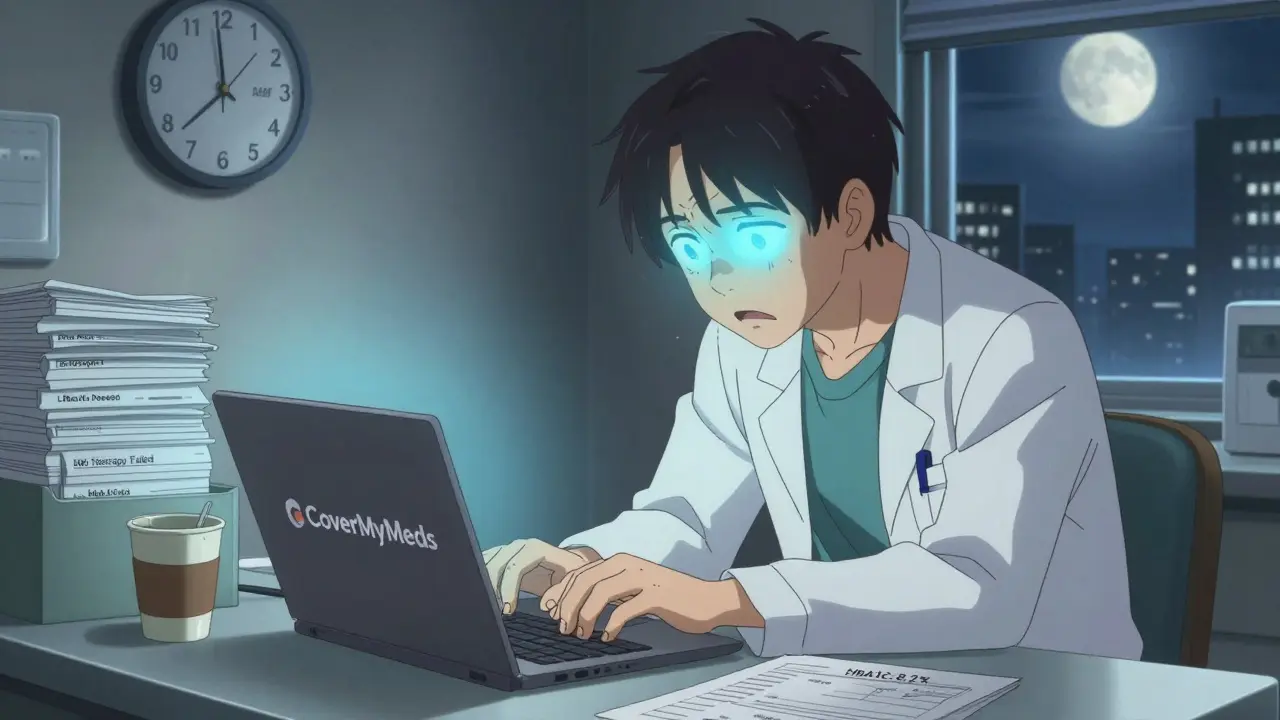
When your doctor writes a prescription for a generic that needs prior authorization, they must submit paperwork to your insurer. This can be done electronically, by fax, or over the phone. Most practices use systems like CoverMyMeds, which cuts approval time by 32% compared to faxing. But even then, it’s not fast.Approval can take anywhere from a few days to two weeks. Cigna says 5-10 business days. Mayo Clinic says it can stretch to a few weeks. For urgent cases, you can request an "urgent" review - which should be processed in 72 hours - but that’s not always honored. Meanwhile, you’re stuck. You can’t fill your prescription. You can’t manage your condition. You might even skip doses.
The paperwork isn’t simple. Insurers often demand:
- Specific ICD-10 diagnosis codes that match the drug’s approved use
- Proof you tried and failed other generics (step therapy)
- Laboratory results showing your condition worsened
- Notes from your doctor explaining why the preferred generic won’t work for you
One primary care clinic in Texas reported spending 17.3 hours a week just handling prior authorizations for generics. That’s nearly half a full-time employee’s time - time that could’ve been spent seeing patients, not chasing approvals.
Who’s Affected the Most?
It’s not just the elderly or chronically ill. Anyone on a regular generic medication is at risk. Common targets include:- Metformin - first-line for type 2 diabetes
- Levothyroxine - for hypothyroidism
- Lisinopril - for high blood pressure
- Atorvastatin - for cholesterol
- Methotrexate - for rheumatoid arthritis and Crohn’s disease
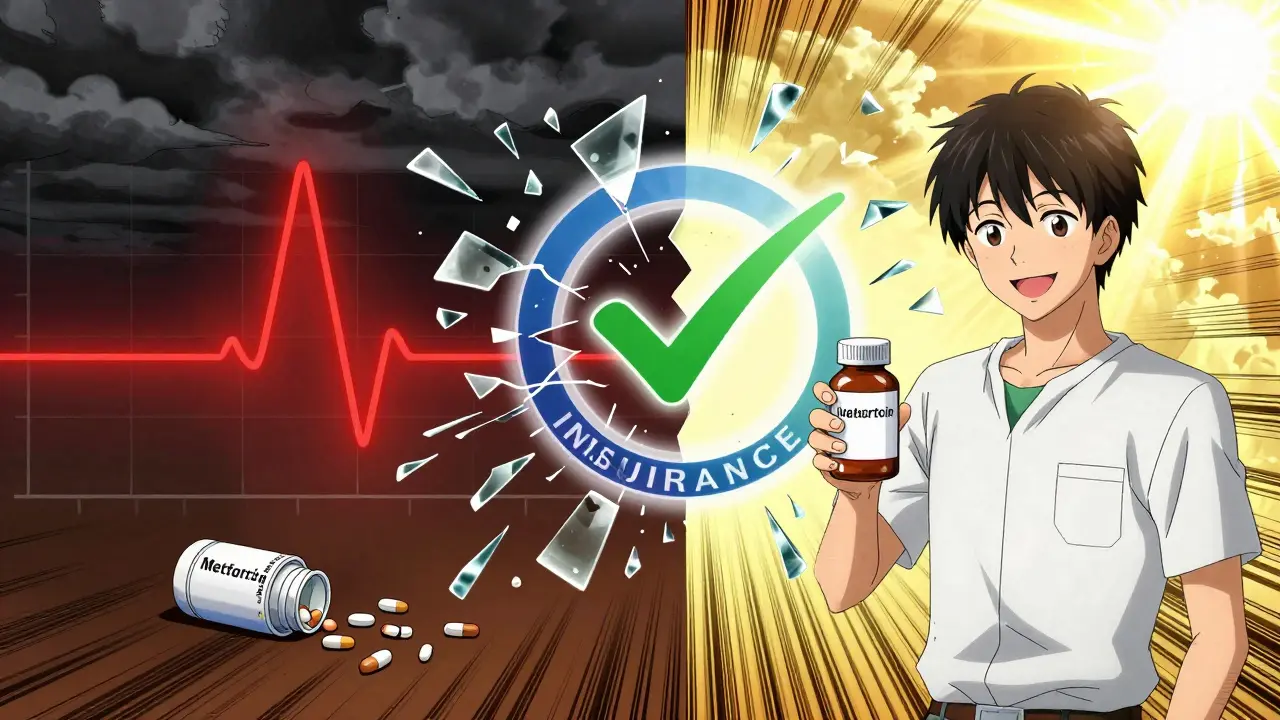
Patients with chronic conditions suffer the most. A Kaiser Family Foundation case study in 2024 tracked a diabetic patient whose HbA1c jumped from 6.8% to 8.2% over 14 days because their insurer delayed approval of generic metformin. That’s not just inconvenient - it’s dangerous. High blood sugar damages nerves, kidneys, and eyes. And all of it could’ve been avoided if the drug had been filled on day one.
Even Medicaid programs, which are supposed to be cost-conscious, are starting to push back. As of 2024, 34 states have restricted prior authorization for certain generic drugs. California’s SB 1024, effective January 2025, bans prior authorization entirely for 47 generics on its Essential Drug List. That includes common meds like ibuprofen, fluoxetine, and omeprazole.
What’s Changing in 2026?
Big changes are coming. On June 23, 2025, six major insurers - including UnitedHealthcare, Aetna, Cigna, Humana, Elevance Health, and Blue Cross Blue Shield - announced they would stop requiring prior authorization for 12 common generic drug classes starting January 2026. These include:- ACE inhibitors (like lisinopril)
- Statins (like atorvastatin)
- Metformin
- Levothyroxine
- Simvastatin
- Amoxicillin
- Hydrochlorothiazide
- Fluoxetine
- Omeprazole
- Metoprolol
- Albuterol
- Clonazepam
They’re also standardizing electronic forms and requiring responses within 72 hours for urgent cases. This is huge. The American Gastroenterological Association estimates that removing prior authorization for first-line generics could cut total healthcare costs by 18% - not because drugs are cheaper, but because delays lead to complications, ER visits, and hospital stays.
At the federal level, the 2024 Improving Seniors’ Timely Access to Care Act requires Medicare Advantage plans to use electronic prior authorization by 2026 and to respond to urgent requests in 72 hours. It’s not perfect, but it’s progress.
What You Can Do
If your generic medication is being held up:- Ask your doctor - is this drug on your insurer’s prior authorization list? Ask them to check before writing the script.
- Request electronic submission - if your provider uses CoverMyMeds or similar tools, approval is faster.
- Ask for urgent review - if you’re at risk of worsening symptoms, insist on an urgent request.
- Keep records - save every email, fax confirmation, and phone call. 67% of denials can be overturned with better documentation.
- Appeal - if it’s denied, your doctor can file an appeal with clinical evidence. Don’t give up.
Some patients have even switched insurers. If your plan routinely delays generics, consider switching to one that doesn’t - especially during open enrollment.
The Bigger Picture
This isn’t about safety. It’s about control. Insurance companies were designed to manage risk - not to act as gatekeepers for basic medicine. Generics were meant to make healthcare affordable. Instead, they’ve become another battleground for profit margins.But the tide is turning. Patients are speaking up. Providers are pushing back. States are passing laws. And insurers - finally - are realizing that blocking cheap, effective drugs doesn’t save money. It costs more in the long run.
By 2028, the Congressional Budget Office predicts prior authorization for generics will drop by 40% if current reforms continue. That’s not just good policy - it’s common sense. You shouldn’t need permission to take a $4 pill that’s been saving lives for 20 years.
Why does my insurance require prior authorization for a cheap generic drug?
Even though generics are low-cost, insurance companies and pharmacy benefit managers (PBMs) use prior authorization to steer patients toward specific brands or formulations that give them higher rebates. It’s not about safety - it’s about profit. Some insurers require you to try one generic before allowing another, even if they’re clinically identical.
How long does prior authorization for generics usually take?
Approval can take 5-10 business days on average, but it can stretch to two weeks or more depending on the insurer. For urgent cases, you can request an expedited review, which should be processed within 72 hours - though delays still happen. Electronic submissions through platforms like CoverMyMeds are 32% faster than fax or phone.
Can I get my generic medication without prior authorization?
Sometimes. Starting in January 2026, major insurers like UnitedHealthcare, Aetna, and Cigna will no longer require prior authorization for 12 common generic drugs, including metformin, lisinopril, and atorvastatin. Some states, like California, have already banned prior authorization for certain generics on their Essential Drug List. Check your plan’s formulary or ask your pharmacist.
What should I do if my prior authorization is denied?
Don’t accept the denial. Ask your doctor to file an appeal with additional clinical documentation - like lab results, treatment history, or notes explaining why the preferred drug won’t work. Studies show 67% of denials are overturned with proper appeals. Keep copies of all communications.
Are there any generic drugs that never require prior authorization?
Yes. In California and 33 other states, prior authorization is banned for certain essential generics like ibuprofen, fluoxetine, omeprazole, and levothyroxine. Federally, Medicare Advantage plans will be required to eliminate prior authorization for many generics by 2026. The list keeps growing as public pressure increases.
If you’re on a generic medication and your insurance suddenly requires approval, you’re not alone. Millions are facing the same issue. But awareness is rising - and change is coming. Keep pushing. Keep asking questions. And don’t let bureaucracy stand between you and the medicine you need.



Comments (10)