
What Is a Mail-Order Pharmacy?
Imagine never having to stand in line again. That is the core appeal of Mail-order generics pharmaceutical distribution systems that deliver medications directly to patients' homes rather than requiring in-person pickup.. You get your prescription filled and shipped straight to your door. For many people managing long-term health issues, this sounds like a dream come true. But is it actually safe? Does it save you money, or does the price tag hide something else?
The industry has grown rapidly. Sales have exploded from $86 billion to over $206 billion between 2013 and 2023. Despite this growth, the volume of prescriptions only increased by 11%. This gap suggests something significant is happening behind the scenes regarding pricing and usage patterns. Most services focus on chronic conditions. They typically ship 90-day supplies of medications at a time, aiming for delivery within one week.
The Real Benefits of Home Delivery
Why do so many people switch to Online pharmacies digital platforms allowing consumers to purchase prescription drugs through internet-based ordering.? Convenience is the first answer. If you work full-time and can barely find time to visit a doctor, stopping at a local counter might feel impossible. Mail-order removes that hurdle.
Beyond convenience, the financial aspect plays a huge role. Many insurers offer significant discounts on bulk quantities. Some provide 90-day supplies for only $10 copays compared to higher costs for 30-day retail supplies. One user testimonial noted saving $45 monthly on a 90-day supply of blood pressure medication. For those budgeting carefully, a three-month supply can smooth out cash flow.
Healthcare providers also notice a difference in how patients take their medicine. Research from the National Institutes of Health shows mail-order pharmacy use is associated with greater Medication adherence the extent to which a patient takes medications according to prescribed instructions.. Automatic refills mean you are less likely to run out. Improved adherence helps control cardiovascular disease risk factors. It acts as a system-level intervention, pushing healthcare delivery forward without changing the daily routine of the physician.
Hidden Costs and Pricing Traps
Savings sound great until you see the bill. Pricing practices can sometimes reveal concerning markups. A generic antidepressant costing approximately $12 at a retail pharmacy could be billed at up to $100 through a mail-order service. That is an 800% markup. Brand-name drugs experience even starker differences, with markups as high as 35 times the retail price.
Why does this happen? Many mail-order pharmacies connect to a pharmacy benefit manager (PBM). These managers sit between the insurer and the pharmacy to negotiate rates. Sometimes, the structure incentivises bulk buying even if the base price is higher. Out-of-pocket costs are often lower at in-network retail options, but out-of-network mail-order choices can be expensive traps. Uninsured patients face the biggest challenge; injectable anti-obesity drugs can cost up to $500 per month through direct-to-consumer mail-order pharmacies.
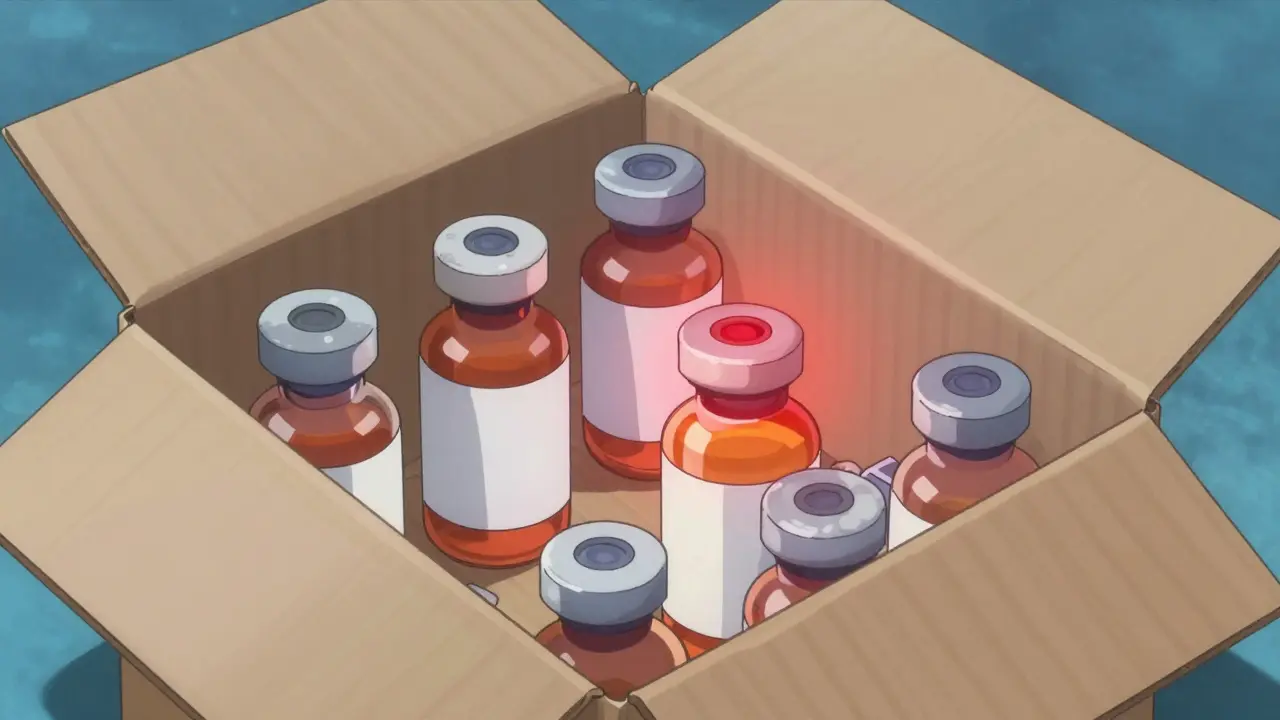
Safety Risks in Transit
We tend to forget that pills are sensitive. Generic medications drugs designed to be substitutes for brand-name prescription drugs with the same dosage, intended effect, strength, route of administration, quality and performance characteristics. are chemically identical to brand names, but their physical form can be fragile. Temperature requirements for shipping are strictly maintained between 68-77 degrees Fahrenheit to preserve efficacy. However, a study cited by researchers found that only one-third of the time are medications shipped by mail-order within these safe ranges.
This matters most for critical drugs. Insulin shipments have arrived melted after exposure to extreme summer temperatures. Documented cases show insulin losing potency after exposure to temperatures above 86°F for more than 24 hours. The FDA has received 1,247 reports of temperature-related medication failures between 2020-2023, though experts suggest this number is likely underreported. If your medication requires refrigeration, the margin for error vanishes.
There is also the issue of timing. Communication errors represent a critical safety concern. Prescriptions may not always arrive on time. For people relying on life-saving medications, a delay causes dangerous gaps in treatment. Users consistently recommend setting up orders at least two weeks before running out to avoid this risk.
Moving Between Pharmacies
A common mistake is splitting care between different locations. Patients taking multiple medications might try to get the cheapest rate for every single pill. One drug might be cheaper at the local store, while another is better via mail. This introduces potential safety issues. If pharmacists cannot check for drug-drug interactions because the prescriptions are managed separately, you lose a vital layer of protection.
The NIH indicates that mail-order use was not negatively associated with patient safety outcomes overall for most patients. However, the same study noted that patients under 65 using mail-order had slightly lower rates of serum creatinine testing when using specific heart medications. This testing monitors kidney function. Missing these tests can allow health issues to go unnoticed until they become serious.

When to Use Mail-Order vs. Retail
Not every situation fits this model. Mail-order is demonstrably better for chronic medications but not ideal for acute ones. Antibiotics for infections or post-surgery medications need immediate access. You cannot wait a week for an antibiotic when your throat is throbbing.
| Feature | Retail Pharmacy | Mail-Order Pharmacy |
|---|---|---|
| Availability Speed | Immediate | 7-10 Days |
| Ideal Use Case | Acute illness | Chronic maintenance |
| Copay Structure | Highest ($30-50) | Lowest ($10-20) |
| Temperature Risk | Minimal | Moderate |
Patient Experience and Trust
Many users miss the personal touch. A Consumer Reports study showed that 68% of surveyed users expressed concern about missing face-to-face consultations. These chats with a pharmacist prevent contraindicated medication use. When everything happens online, that interaction disappears.
Temperature and shipping damage remain top complaints. Trustpilot reviews document that 17% of negative experiences cite delivery issues. On social platforms like Reddit, discussions highlight cases of lost packages. The lack of accountability can be frustrating when dealing with essential supplies.
Despite these downsides, adoption rates continue to rise. Approximately 34% of Medicare Part D beneficiaries used mail-order services by 2019. Industry analysts predict that by 2027, mail-order will account for 45% of all chronic medication prescriptions. This growth is driven by payer incentives pushing patients toward these channels.
Verifying Your Provider
If you decide to switch, vetting is essential. Legitimate services usually require a valid prescription from a licensed physician. Avoid any site offering medications without asking for documentation. In the US, the major players dominating the market include Express Scripts, CVS Caremark, and OptumRx. These three handle approximately 79% of all mail-order prescriptions.
Check for regulatory compliance. Regulations vary, but reputable services adhere to state board standards. Always inspect packaging upon arrival. Look for signs of tampering or heat damage immediately. Do not take medication that looks suspicious or expired. Report issues to the provider and your health authority.
Are mail-order generics safer than retail ones?
Generally, yes, in terms of clinical outcomes. Studies indicate similar safety profiles regarding side effects. However, transit risks like temperature exposure pose specific dangers that retail pick-up avoids.
Can I use mail-order for acute illnesses?
It is not recommended for acute needs like infections or asthma attacks. Shipping takes about a week, making it unsuitable for urgent treatments that require immediate relief.
Does insurance cover mail-order pharmacies?
Most plans include them, especially Medicare Part D. They often prefer them due to bulk discounts, but you should verify your network status to ensure maximum reimbursement.
How do I check if my medication arrived safely?
Inspect the package for heat stickers, broken seals, or signs of melting. If the medication looks discoloured or damaged, contact the pharmacy immediately before use.
Will I save money using this service?
Usually, yes, for insured patients getting 90-day supplies. However, uninsured patients might face higher unit prices compared to discount cards at local retailers.


Comments (15)