
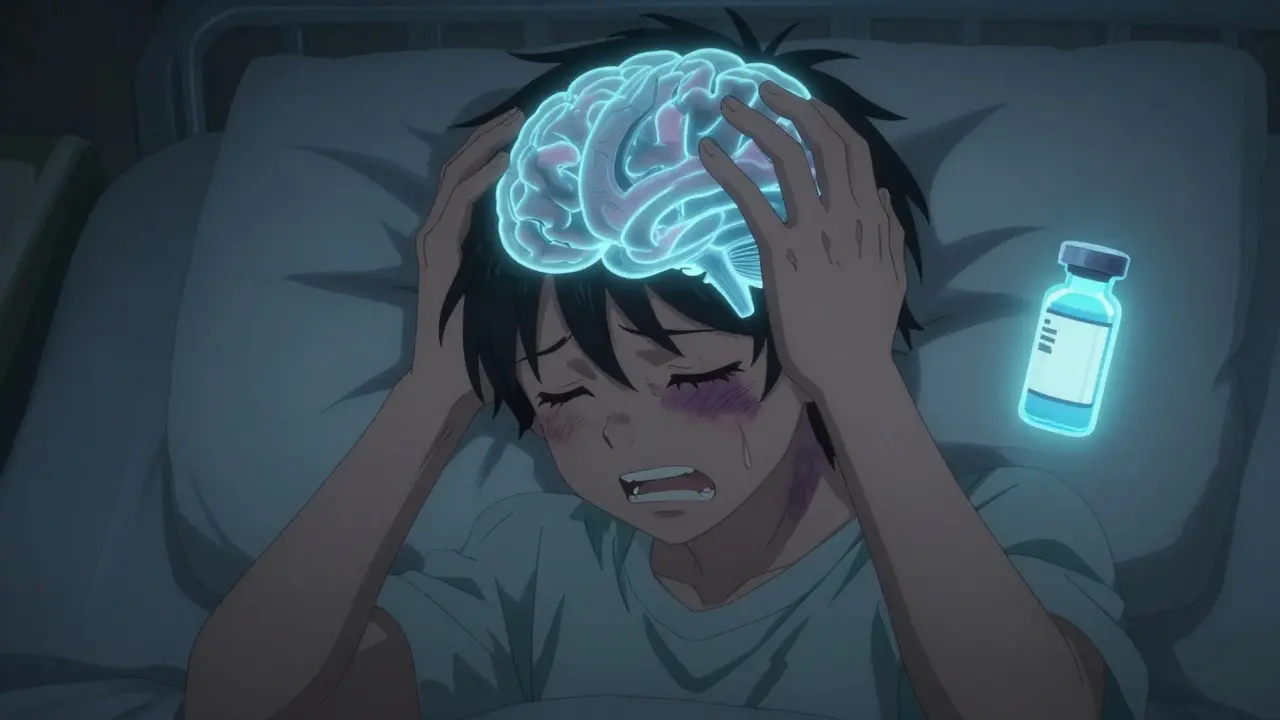
Meningitis isn’t just a headache with a fever. It’s an inflammation of the protective layers around your brain and spinal cord - the meninges - and it can turn deadly in hours. Every year, over a million people worldwide get it, and more than 135,000 die. But here’s the good news: most cases of the deadliest forms can be prevented with vaccines. If you’ve ever brushed off a stiff neck and fever as “just the flu,” you need to know the difference.
What Causes Meningitis? Five Main Types
Meningitis isn’t one disease. It’s a group of conditions with different causes, risks, and outcomes. The five main types are bacterial, viral, fungal, parasitic, and non-infectious.Bacterial meningitis is the most dangerous. It’s caused by bacteria like Neisseria meningitidis (meningococcus), Streptococcus pneumoniae (pneumococcus), and Haemophilus influenzae type b (Hib). Symptoms can explode within hours. Without treatment, death can come in a day. Even with antibiotics, 5% to 30% of patients don’t survive. Survivors often face lifelong problems like hearing loss or brain damage.
Viral meningitis is far more common - making up about 85% of all cases. It’s usually caused by enteroviruses, the same bugs that give you stomach bugs or colds. It’s unpleasant - fever, headache, nausea - but almost always resolves on its own in a week or two. You won’t need antibiotics, and hospitalization is rare.
Fungal meningitis is rare and almost always hits people with weak immune systems - like those with HIV, cancer, or on long-term steroids. The main culprit is Cryptococcus neoformans. It’s not contagious, but it’s deadly: over 180,000 deaths globally each year. Treatment takes months of strong antifungal drugs.
Parasitic meningitis is extremely rare and mostly seen in Southeast Asia and the Pacific Islands. It’s often linked to eating raw or undercooked snails, slugs, or contaminated water. The parasite Angiostrongylus cantonensis causes it. Symptoms can be severe but are usually not fatal.
Non-infectious meningitis isn’t caused by germs at all. It can come from autoimmune diseases like lupus, certain cancer treatments, or reactions to medications. It’s harder to spot because it doesn’t spread, but it still needs quick diagnosis and treatment.
What Are the Real Symptoms? It’s Not Just the Triad
You’ve probably heard the classic signs: fever, stiff neck, and confusion. But here’s the truth - only 41% of people with bacterial meningitis have all three. That means if you’re waiting for all of them, you’re already too late.Here’s what actually happens:
- High fever - over 38.5°C (101.3°F) in 86% of cases.
- Severe headache - worse than any migraine. It’s constant and doesn’t go away with painkillers.
- Neck stiffness - you can’t touch your chin to your chest. It’s not just soreness; it’s resistance.
- Light sensitivity - bright lights hurt your eyes. Even turning on a lamp feels unbearable.
- Vomiting - not from food poisoning. It’s sudden and unexplained.
- Rash - this is critical. A dark red or purple rash that doesn’t fade when you press a glass against it? That’s a sign of meningococcal sepsis. But here’s the catch: only 50% to 75% of cases show it. Don’t wait for the rash.
- Seizures - in 20% to 30% of bacterial cases.
- Confusion or drowsiness - you might not realize you’re acting oddly. Someone else might notice you’re slurring words or can’t focus.
Doctors use two physical tests - Brudzinski’s sign (knees bend when you lift your head) and Kernig’s sign (pain when you straighten your leg with your hip bent). They’re very specific - if they’re positive, meningitis is likely. But they’re only 50% sensitive. That means they can be negative even when you have it.
Don’t rely on symptoms alone. If you or someone you know has a sudden fever, headache, and feels “off,” get to a hospital immediately. Waiting even a few hours can change the outcome.
Vaccines: The Most Powerful Tool Against Meningitis
Vaccines are the reason bacterial meningitis isn’t the death sentence it once was. In countries with full immunization programs, cases of Hib meningitis have dropped by 99%. Meningococcal cases have plummeted too.There are three key vaccines:
- MenACWY - protects against four types of meningococcus: A, C, W, and Y. Recommended for all kids at age 11-12, with a booster at 16. It’s 80-85% effective. In the U.S., 46 states now require it for college students. Campuses that enforce this rule see 75% fewer outbreaks.
- MenB - protects against serogroup B, which causes about one-third of U.S. cases. Until early 2024, it was only recommended for high-risk groups like college dorm residents or people with immune disorders. Now, the CDC recommends it for all teens. Two doses are needed, and it’s 60-70% effective. It’s expensive - $105-$150 per dose - but public health experts say it’s worth it. Cost-effectiveness studies show it saves lives and money in the long run.
- PCV13 and Hib - these are given in childhood. PCV13 protects against pneumococcal meningitis. Hib vaccine wiped out almost all Hib cases in kids under 5. Together, they prevent around 1,000 cases of bacterial meningitis in the U.S. every year.
Side effects? Most people feel a sore arm or have a low fever for a day or two. Less than 2.5% report anything worse. The risk of the disease is far greater than the risk of the vaccine.
What If You’ve Been Exposed?
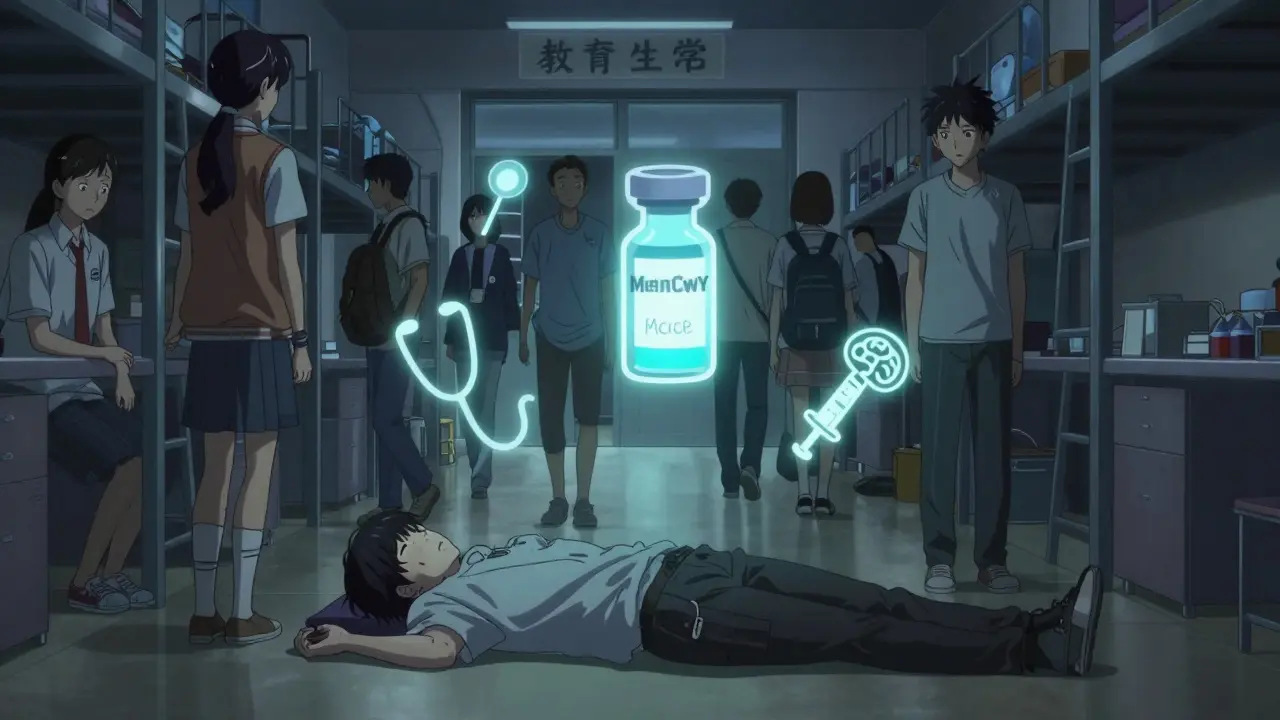
If someone in your home, dorm, or classroom gets bacterial meningitis, you’re not automatically doomed - but you need to act fast.Close contacts - people who kissed, shared utensils, or lived in the same room - are at risk. Antibiotics like ciprofloxacin or rifampin can prevent infection if given within 24 hours. But here’s the problem: only 65% of exposed people get them on time. Why? Because people don’t know they’ve been exposed, or they wait to see if they get sick.
Don’t wait. If you’re told you’ve been exposed, take the antibiotics. Even if you feel fine. The goal isn’t to treat you - it’s to stop the bacteria from taking hold.
Other Ways to Reduce Risk
Vaccines are the star, but hygiene matters too:- Wash your hands often - it cuts transmission by 30-50%.
- Don’t share drinks, toothbrushes, or lip balm - that’s how germs spread.
- If you’re pregnant, avoid unpasteurized cheese and undercooked meat. Listeria can cause meningitis in newborns.
- Don’t ignore symptoms in kids. Parents often say they were told “it’s just a virus” - and then it was too late.
A 2023 survey of 1,200 meningitis survivors found that 68% had delays in diagnosis. Many were sent home with a diagnosis of flu or migraine. One Reddit thread with 287 healthcare workers showed that 73% had seen patients who waited because “they didn’t have the rash.” That’s a dangerous myth.
What’s Changing in 2026?
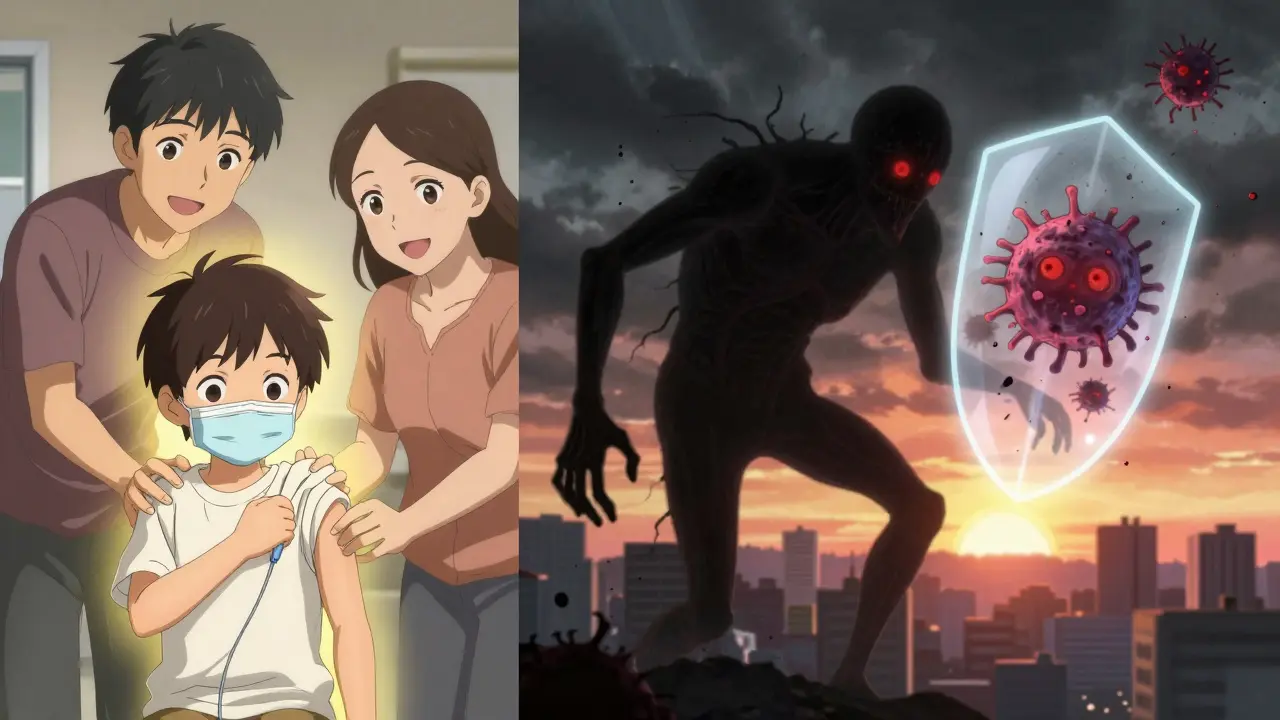
The fight against meningitis is moving fast. In early 2024, the CDC updated its guidelines to recommend MenB vaccine for all teens - not just high-risk groups. Why? Because the cost per life saved dropped below $50,000, which is considered a good investment in public health.A new low-cost MenACWY vaccine, priced at just $0.50 per dose, is now being rolled out in Africa’s meningitis belt. Before 2010, this region had 200,000 cases a year. Now, it’s under 3,000. That’s the power of vaccines.
Researchers are even testing a universal meningococcal vaccine that could protect against all strains. Early trials show 92% effectiveness. If it works, it could be a game-changer - especially in places where vaccines are hard to deliver.
But challenges remain. Antibiotic resistance is rising. In the U.S., 32% of pneumococcal meningitis cases are now resistant to penicillin. That means doctors have to start with stronger drugs - and that’s harder in low-resource settings.
Bottom Line: Know the Signs. Get Vaccinated.
Meningitis doesn’t care if you’re young or old, rich or poor. It strikes fast. But it doesn’t have to win.Get the MenACWY vaccine at 11-12, with a booster at 16. Get the MenB vaccine - now recommended for all teens. Make sure your kids get their Hib and PCV13 shots on schedule. Teach your family: fever + headache + stiff neck = go to the ER. Don’t wait for a rash. Don’t assume it’s the flu.
Every year, thousands of lives are saved because someone recognized the symptoms early or got vaccinated. You can be part of that number.
Can you get meningitis more than once?
Yes, but it’s rare. Different types of meningitis are caused by different germs. If you had viral meningitis, you can still get bacterial meningitis later. Vaccines protect against specific strains - so getting one type of meningitis doesn’t make you immune to others. That’s why staying up to date on vaccines matters, even if you’ve had it before.
Do meningitis vaccines cause autism?
No. This myth started from a discredited and retracted study in the 1990s. Since then, dozens of large studies involving millions of children have found no link between meningitis vaccines and autism. The CDC, WHO, and every major medical group agree: vaccines are safe and do not cause autism.
Is meningitis contagious?
Bacterial and viral meningitis can be contagious. They spread through close contact - coughing, kissing, sharing drinks or utensils. Fungal, parasitic, and non-infectious types are not contagious. Bacterial meningitis is less contagious than the flu, but it spreads faster in crowded places like dorms or military barracks. That’s why close contacts need antibiotics after exposure.
How long does it take to recover from meningitis?
Viral meningitis usually clears up in 7-10 days with rest and fluids. Bacterial meningitis requires hospitalization and IV antibiotics. Recovery can take weeks or months, and some people have lasting effects like hearing loss, memory problems, or seizures. The sooner treatment starts, the better the outcome. Delaying care by just 4 hours can double the risk of death.
Can adults get meningitis vaccines?
Yes. While vaccines are often given in childhood, adults who missed them can still get them. MenACWY is recommended for all teens and young adults up to age 21. MenB is recommended for anyone 16-23, especially those living in close quarters like dorms or military housing. Adults with certain health conditions - like spleen problems, HIV, or immune disorders - should get both vaccines. Talk to your doctor if you’re unsure.
What should I do if I suspect meningitis?
Go to the emergency room immediately. Don’t wait for a rash. Don’t call your GP. Don’t try to sleep it off. Bacterial meningitis can kill in 24 hours. Tell the staff you’re worried about meningitis. Mention fever, headache, stiff neck, and light sensitivity. Time is everything - early antibiotics can mean the difference between life and death.





Comments (14)