
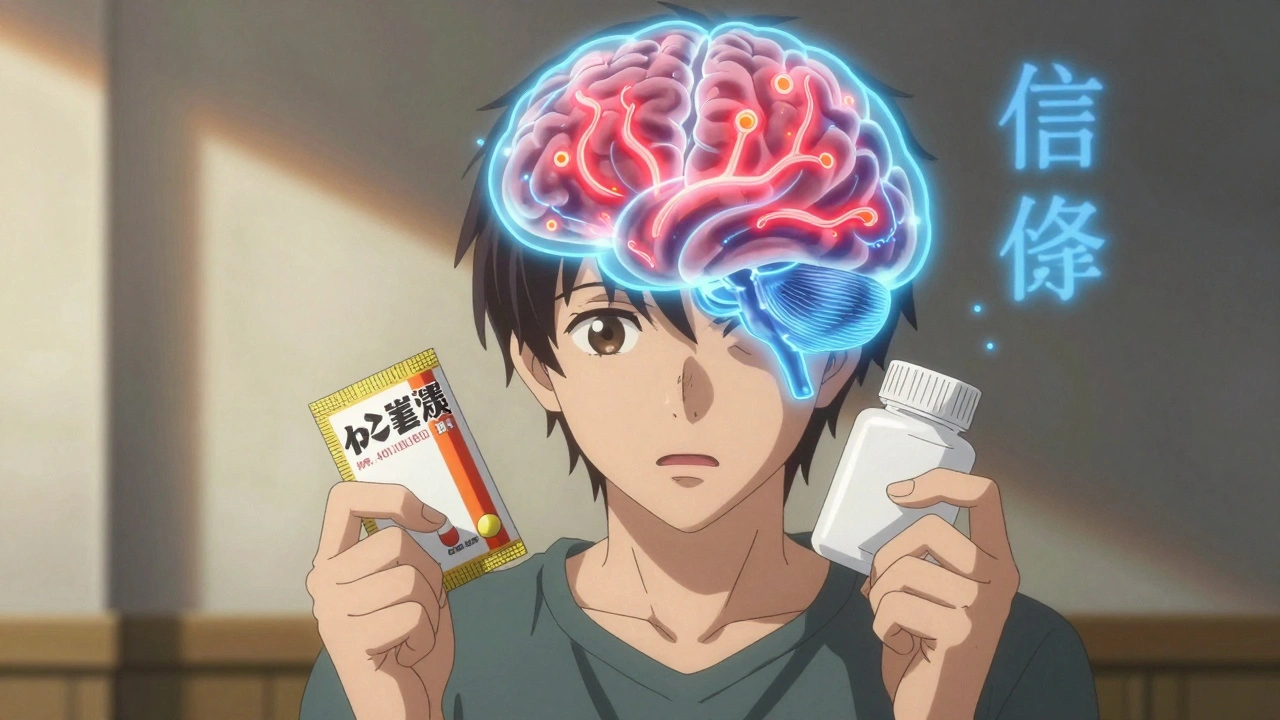
When you pick up a bottle of generic ibuprofen, you’re getting the exact same active ingredient as the brand-name version. But if you believe it’s weaker, slower, or less safe-your body might actually respond that way. This isn’t just in your head. It’s science. And it’s happening every day, in clinics and pharmacies around the world.
What Happens When You Think a Generic Won’t Work
In a 2016 study, researchers gave 87 people placebo pills labeled either as "Nurofen" or "Generic Ibuprofen." Both groups got identical sugar tablets. But the group told they were taking Nurofen reported pain relief just as strong as if they’d taken real ibuprofen. The other group? Their pain barely budged. The only difference? The label. This isn’t an isolated case. Similar results popped up in studies on antidepressants, blood pressure meds, and even migraine treatments. When patients believe they’re taking a brand-name drug, their bodies respond as if they are. The active ingredient doesn’t change. But the outcome does. The brain doesn’t distinguish between chemical effects and psychological ones in these cases. Expectation triggers real biological changes. Brain scans show stronger activity in areas linked to pain control and reward when people think they’re taking a premium drug. Their nervous system literally lowers pain signals-not because the pill is stronger, but because they believe it is.The Dark Side: When Belief Makes Things Worse
It’s not just about expecting better results. Sometimes, expecting worse ones makes things worse. In one major study on statins-drugs used to lower cholesterol-patients were given dummy pills with no active ingredients. Yet, 4% to 26% of them stopped taking the pills because they felt muscle pain. They weren’t imagining it. Their bodies were reacting to the fear of side effects. That’s the nocebo effect: negative expectations causing real physical symptoms. Even the price tag matters. In one experiment, people were given identical pain creams. One group was told it cost $2.50 per dose. The other was told it cost $0.10. The expensive cream? Patients reported twice as much pain. And here’s the kicker: spinal scans confirmed their bodies were sending stronger pain signals. The cream didn’t change. Their belief did. This isn’t just about money. It’s about trust. If you’ve been told generics are "cheap alternatives," your brain treats them like second-rate tools-even when they’re made to the same standards.Why Branding Works-Even When It’s Fake
Brands aren’t just logos. They’re promises. When you see "Advil," "Tylenol," or "Nurofen," you’ve been conditioned to expect reliability. That’s why generic manufacturers are now copying the look, shape, and color of brand-name pills. They know perception matters. But here’s the twist: making generics look more like brands doesn’t always help. One 2019 study found that when generic antidepressants were packaged with flashy designs and premium labels, patients didn’t report better results. In fact, plain, simple packaging sometimes led to lower anxiety. Why? Because patients associated fancy packaging with higher cost-and higher cost triggered worries about side effects. The real driver isn’t appearance. It’s messaging. Patients who understood that generics must meet the same FDA standards as brand-name drugs reported better outcomes. When doctors explained, "This has the same active ingredient, same dosage, same testing," trust went up. Adherence improved. And so did results.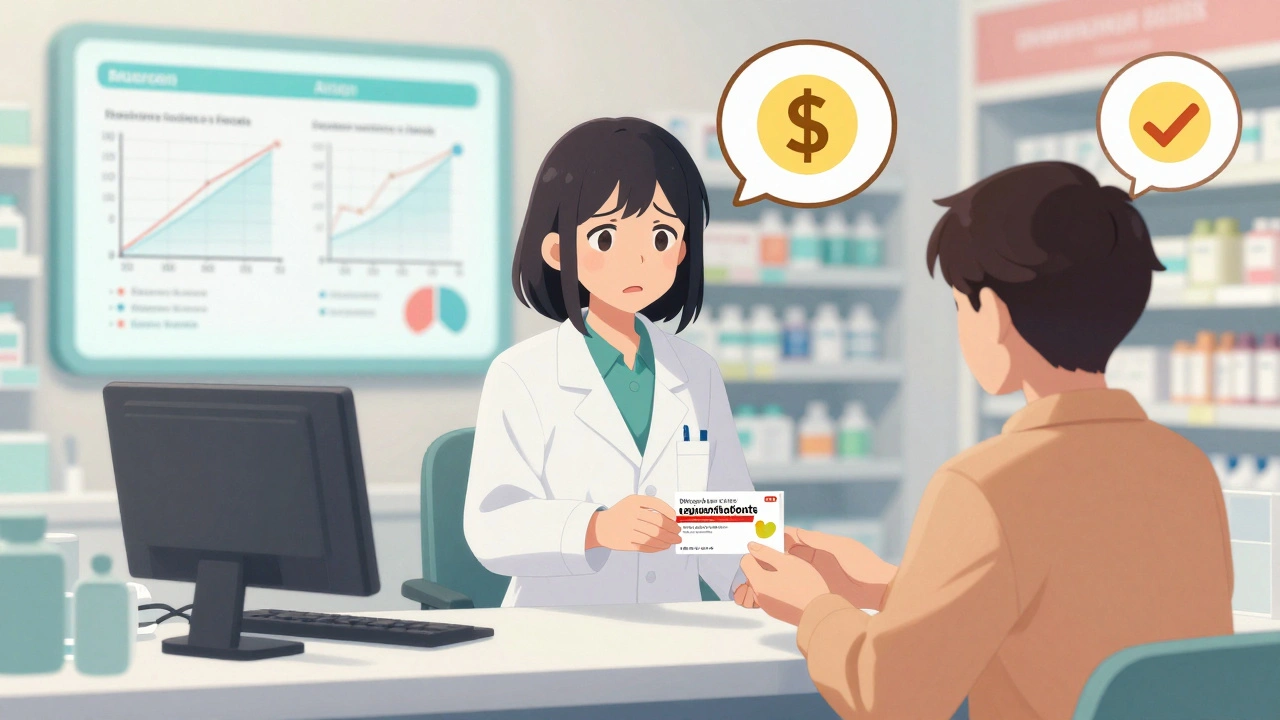
What the Data Says About Real-World Use
In the U.S., 90% of prescriptions are filled with generics. But only 23% of total drug spending comes from them. Why? Because people still believe brand-name drugs are better-even when they’re not. A 2022 Consumer Reports survey found that 63% of Americans think brand-name drugs are more effective. And it shows in behavior: patients are 27% more likely to quit taking a generic antidepressant within the first month than a brand-name one-even though blood tests confirm identical drug levels. The cost? Around $28 billion a year in the U.S. alone. That’s money lost to extra doctor visits, hospital visits, and unnecessary prescriptions-all because someone didn’t believe the pill in their hand would work. In mental health, the gap is widest. Only 68% of patients accept generics for antidepressants. For heart meds? It’s 89%. Why the difference? Because depression symptoms are subjective. Pain, mood, fatigue-they’re all influenced by expectation. If you think the drug won’t help, your brain finds ways to confirm that belief.How Doctors and Pharmacies Can Help
Changing perception doesn’t require expensive rebranding. It just requires better communication. Doctors who spend just two to three extra minutes explaining generic equivalence see an 18-22% increase in patient adherence. Simple phrases like:- "This is the same medicine as the brand, just cheaper. The FDA requires it to work the same way."
- "Thousands of people take this every day. It’s been tested just as thoroughly."
- "If you’ve had a good response to the brand, you’ll likely have the same here."
What You Can Do as a Patient
If you’ve been told your generic isn’t working:- Ask for your blood levels to be checked. In most cases, they’ll match the brand exactly.
- Don’t assume your symptoms are from the drug. Ask if they could be from stress, sleep, or anxiety.
- Try switching back to the brand for a short trial-if cost allows. If you feel better, it’s likely psychological, not chemical.
- Read up on how generics are made. The FDA requires them to be within 8-13% of the brand’s absorption rate. That’s tighter than the variation between two batches of the same brand.
The Bigger Picture
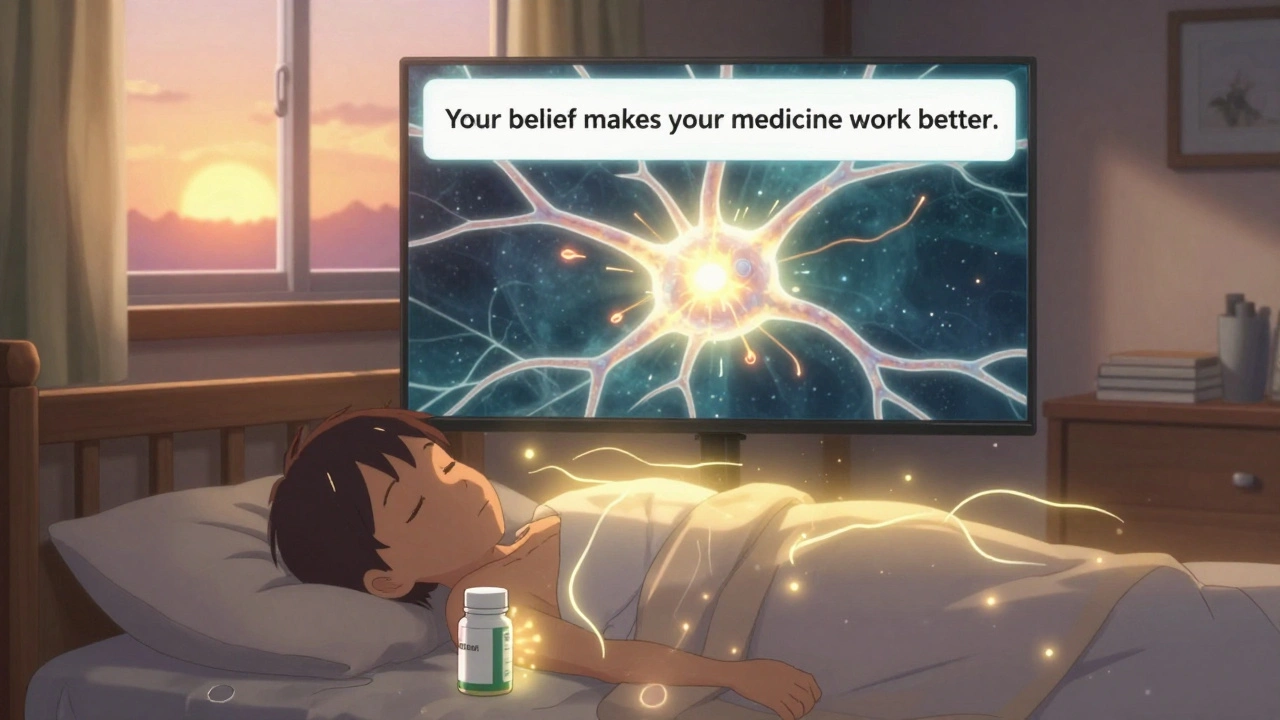
This isn’t about tricking people into feeling better. It’s about recognizing that medicine doesn’t happen in a vacuum. Your mind is part of the treatment. And when you believe in your medication-even if it’s a generic-it works better. The pharmaceutical industry is starting to catch on. Companies like Teva and Aurobindo are designing "expectation-optimized" generics with packaging that builds trust without deception. Blue and white colors. Clean fonts. Clear labeling. Not flashy. Just reliable-looking. And researchers are testing new tools: short videos that explain how the placebo effect works. One 2023 study found that when patients watched a 5-minute video explaining that belief can enhance treatment, their response to generic antidepressants improved by 28%. This isn’t magic. It’s neuroscience. And it’s real.Final Thought: It’s Not About the Pill. It’s About the Promise
A pill doesn’t cure. A person does. The body responds to belief, to trust, to the quiet reassurance that someone believes in this treatment. Generics are not inferior. They’re identical. But if you don’t believe that, your body won’t either. The challenge isn’t making better pills. It’s making better conversations.Do generic drugs have the same active ingredients as brand-name drugs?
Yes. By law, generic drugs must contain the same active ingredient, in the same strength, and work the same way as the brand-name version. The FDA requires generics to be bioequivalent-meaning they deliver the same amount of medicine into your bloodstream within a very tight range (8-13%) of the brand. The only differences are in inactive ingredients like fillers, colors, or packaging-none of which affect how the drug works.
Why do some people say their generic medication doesn’t work as well?
It’s often not about the drug-it’s about expectation. If you’ve been told generics are "cheaper" or "not as good," your brain may lower your response to it. Studies show people report less pain relief, more side effects, or worse mood with generics-even when the pills are identical to brand-name versions. This is called the nocebo effect. Once patients understand that generics are required to meet the same standards, their outcomes improve.
Can the placebo effect be strong enough to replace real medication?
No. The placebo effect enhances treatment-it doesn’t replace it. In conditions like depression or chronic pain, placebo can account for 30-40% of the improvement, but it still needs the real drug to work. For infections, high blood pressure, or diabetes, you still need the active medicine. The placebo effect just helps your body respond more fully to what’s already there.
Does packaging or price affect how well a generic works?
Yes, indirectly. In studies, identical placebos labeled as expensive caused more reported side effects and stronger pain responses. Generic pills in plain packaging sometimes caused less anxiety than those with fancy designs. But this isn’t because the drug changes-it’s because your brain reacts to the cues. Packaging that looks trustworthy (clean, clear labeling) helps. Packaging that feels "cheap" or "bargain" can trigger doubt. Price mentions like "this costs less" can actually make side effects feel worse.
Should I avoid generics because of the placebo effect?
Absolutely not. Generics are safe, effective, and regulated just as strictly as brand-name drugs. The placebo effect isn’t a flaw-it’s a feature of how human biology works. The goal isn’t to avoid generics. It’s to understand how perception affects outcomes. If you’re concerned, talk to your doctor. Ask questions. Get educated. That’s the best way to make sure the medicine you take works as well as it can.
Are there any risks to believing generics are inferior?
Yes. Believing generics don’t work can lead to non-adherence-stopping your medication early, skipping doses, or switching back to more expensive brand-name drugs. This increases the risk of complications. For example, stopping an antidepressant too soon can trigger relapse. Skipping blood pressure meds can raise stroke risk. The real danger isn’t the generic-it’s the belief that it’s not enough.



Comments (21)