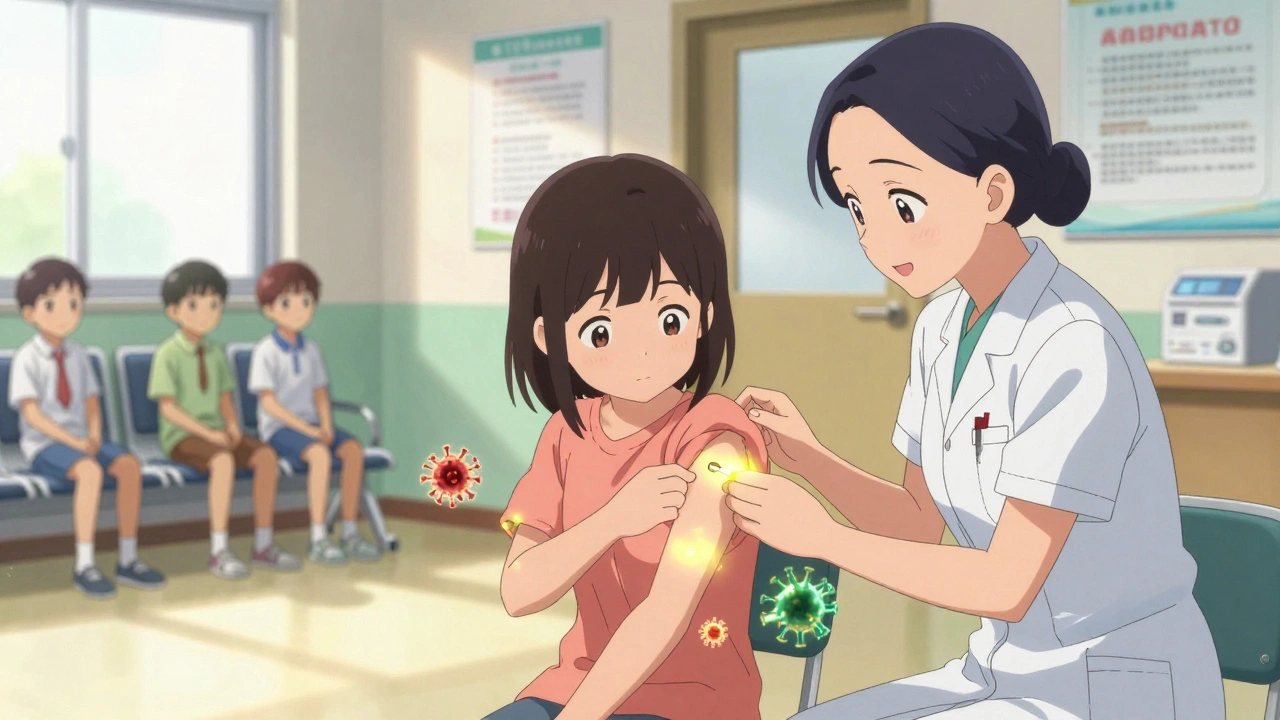
Cervical Cancer Prevention: What Works, What Doesn't, and How to Stay Protected
When it comes to cervical cancer prevention, a set of proven medical and behavioral practices designed to stop cervical cancer before it starts. It's not just about getting a Pap smear once a year—it's a layered defense that starts with understanding how HPV, the human papillomavirus, a common sexually transmitted infection linked to over 90% of cervical cancers spreads and how to block it.
Most people will get HPV at some point, but your immune system clears it in most cases. The problem comes when certain high-risk strains stick around for years and cause abnormal cell changes. That’s where HPV vaccine, a safe, highly effective shot that prevents infection from the most dangerous HPV strains comes in. It’s not just for teens—adults up to age 45 can still benefit, especially if they haven’t been exposed to all the strains covered by the vaccine. Getting vaccinated isn’t a one-time fix; it’s the strongest shield you can build before exposure even happens.
But vaccines don’t cover every strain, and they don’t replace screening. That’s where Pap smear, a simple test that collects cells from the cervix to check for early abnormalities and HPV testing, a direct test that detects the virus’s DNA in cervical cells come into play. Many women don’t realize these tests aren’t the same. A Pap smear looks for cell changes; HPV testing finds the cause. Together, they’re far more powerful than either alone. Guidelines now say you can go 5 years between combined tests if results are normal, but skipping them entirely is a gamble you can’t afford.
Some think condoms stop HPV completely—they don’t. The virus lives on skin, not just in fluids. Smoking? It doubles your risk by weakening your body’s ability to fight off the infection. Birth control pills used long-term? They slightly raise risk, but the benefit of preventing unplanned pregnancy often outweighs that. The real win? Knowing your body. If you notice bleeding between periods, after sex, or after menopause, don’t wait. That’s not normal. It’s not "just stress." It’s a signal.
There’s no magic pill, no miracle supplement, and no herbal remedy that replaces science-backed prevention. What works? Vaccination. Regular screening. Avoiding smoking. And talking openly with your provider—even if it feels awkward. The goal isn’t to scare you. It’s to give you real power. Cervical cancer used to be a leading killer of women. Now, in places where prevention is routine, it’s rare. You don’t need to be a medical expert to make a difference. You just need to show up—for your vaccine, for your test, for your health.
Below, you’ll find clear, no-fluff guides on how vaccines work, what your test results really mean, how to talk to your doctor without feeling embarrassed, and why skipping screenings—even for a year—can cost you more than you think. This isn’t theory. It’s what keeps women healthy.