Hatch-Waxman Act: How It Changed Generic Drugs and Drug Prices
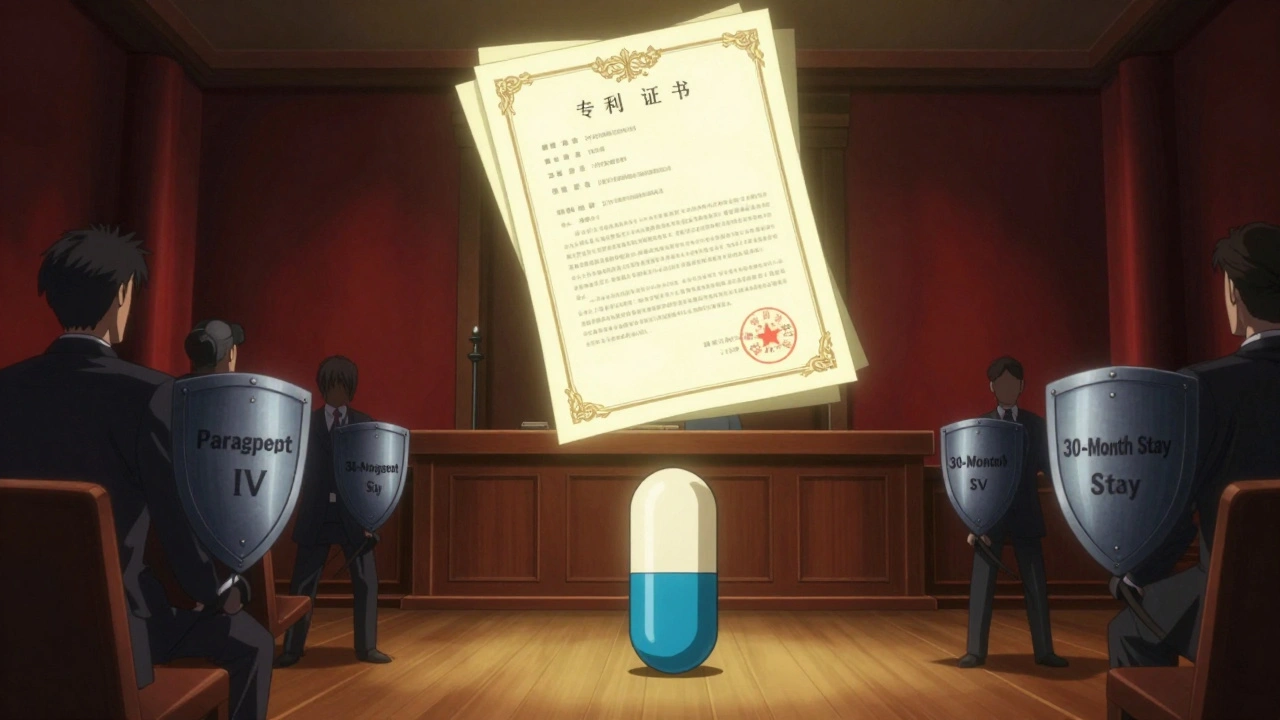
When you pick up a generic pill at the pharmacy, you’re benefiting from a law passed in 1984 called the Hatch-Waxman Act, a U.S. law that created a pathway for generic drugs to be approved without repeating expensive clinical trials. Also known as the Drug Price Competition and Patent Term Restoration Act, it was designed to fix a broken system where brand-name drugs held monopolies for too long, and generics couldn’t get to market fast enough.
This law didn’t just make generics possible—it made them practical. Before Hatch-Waxman, a company wanting to make a copy of a brand drug had to prove it was safe and effective from scratch, costing millions and taking years. The Act changed that by letting generic makers prove their version was bioequivalent, meaning it behaves the same way in the body as the original. That’s why today, most prescriptions are filled with generics—they’re not cheaper because they’re weaker, but because they don’t need to repeat the same tests. It also gave brand-name companies a limited extension on their patents, up to five years, to make up for time lost during FDA review. This balance kept innovation alive while opening the door to competition.
The ripple effects are everywhere. Without Hatch-Waxman, drugs like metformin, lisinopril, or atorvastatin would still cost hundreds per month. Today, you can buy them for under $5. The law also created the framework for biosimilars, follow-on versions of complex biologic drugs, even if their approval path took decades to fully develop. It’s why you can compare prices online, why pharmacists can swap brands for generics without asking, and why patient advocacy groups push for more generic use. But it’s not perfect. Companies still stretch patents with minor formulation changes—what’s called evergreening, a tactic to delay generics by patenting new dosages or delivery methods. And while the Act sped up approvals, legal battles and patent thickets still slow down access to cheaper drugs.
What you’ll find below are real stories about how this law touches everyday health decisions: how generic drugs work, why perception affects their use, how price wars happen, and how companies try to delay competition. These aren’t abstract policies—they’re the reason your prescriptions cost less, your insurance covers more, and you can afford to take your meds every day.