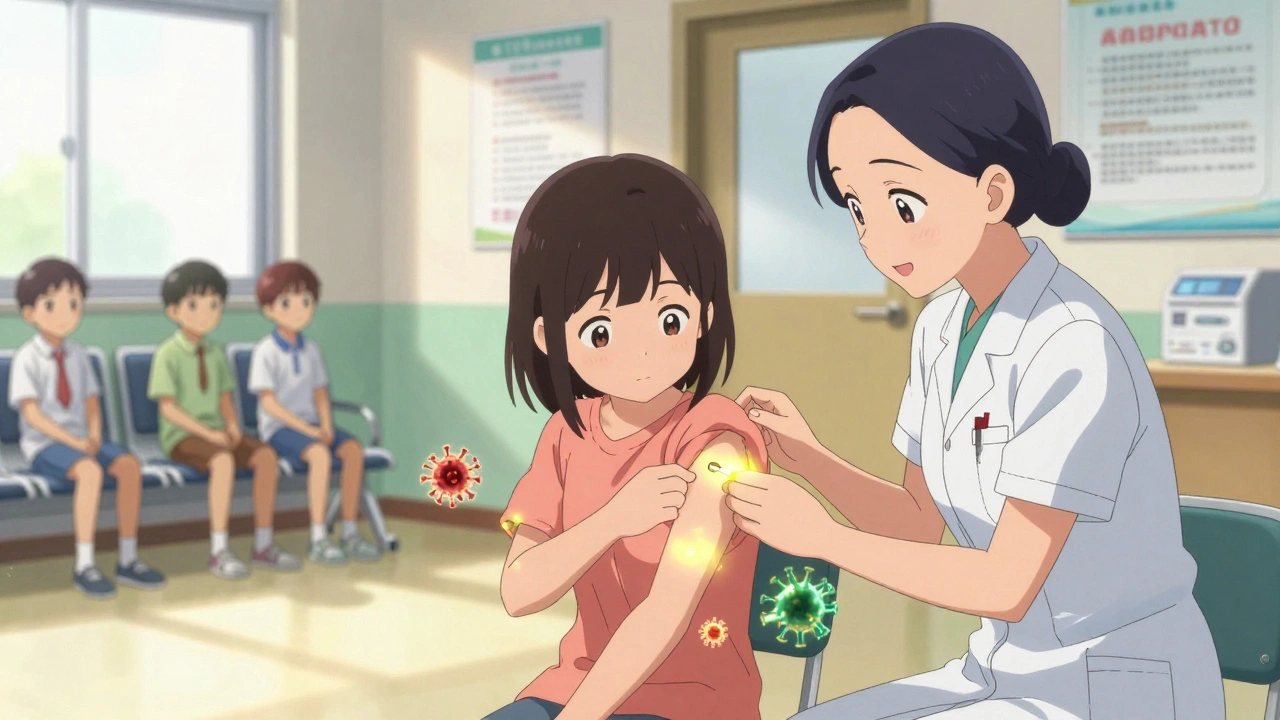
HPV Vaccination: What It Is, Who Needs It, and How It Prevents Cancer
When we talk about HPV vaccination, a preventive shot that protects against human papillomavirus, a group of over 150 related viruses that can cause warts and several types of cancer. Also known as HPV vaccine, it’s one of the few medical tools that can stop cancer before it starts. Every year, thousands of people develop cancers linked to HPV — including cervical, throat, anal, and penile cancers — but most of these are preventable with a simple two-dose series.
The human papillomavirus, a common sexually transmitted infection that affects nearly everyone at some point in their lives. Also known as HPV, it often shows no symptoms, which is why so many people spread it without knowing. The most dangerous strains — especially types 16 and 18 — are responsible for about 70% of cervical cancers. The HPV vaccine, a safe, non-live vaccine that trains the immune system to recognize and fight off these strains before they cause harm. Also known as Gardasil or Cervarix, it works best when given before any exposure to the virus. That’s why health experts recommend it for kids as young as 9, before they become sexually active.
It’s not just for girls. Boys benefit too. HPV causes throat and anal cancers in men, and vaccinating them helps reduce spread overall. The vaccine is approved for people up to age 45, though it’s most effective under age 26. Side effects? Mostly mild — sore arm, slight fever, dizziness. Serious reactions are extremely rare. The real risk? Not getting it.
What you’ll find here are real, practical articles about how HPV vaccination fits into broader health decisions — from understanding how it compares to other preventive measures, to how insurance and access affect who gets protected, to what happens when people skip the shot. These aren’t theoretical discussions. They’re based on what patients experience, what doctors see, and what the data shows.