IgA Nephropathy: Causes, Symptoms, and What You Need to Know
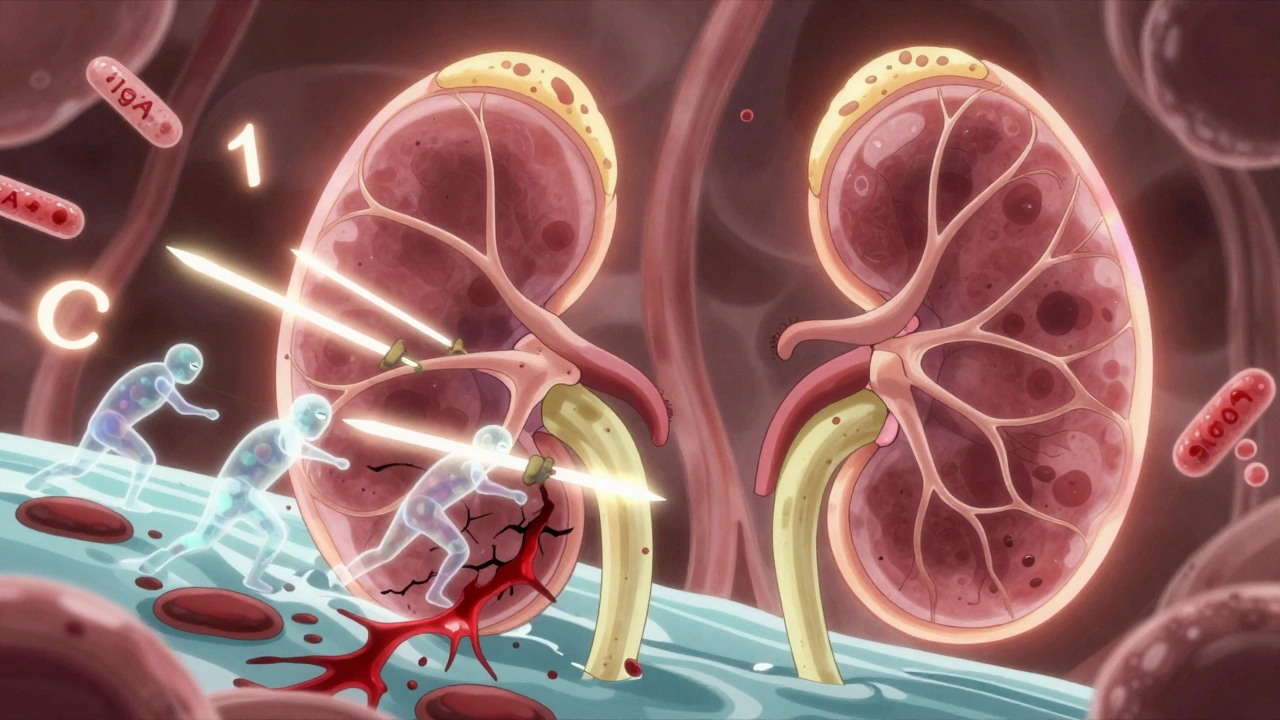
When your immune system goes rogue and starts attacking your kidneys, it’s called IgA nephropathy, a chronic kidney disease where the antibody immunoglobulin A builds up in the filtering units of the kidneys, causing inflammation and damage over time. Also known as Berger’s disease, it’s one of the most common causes of kidney failure in people under 40. Unlike sudden kidney injuries, IgA nephropathy creeps up quietly—many people don’t know they have it until they notice blood in their urine after a cold or sore throat.
This condition is tied to how your body handles immunoglobulin A, an antibody that normally fights infections in the gut and respiratory tract. In IgA nephropathy, this antibody forms clumps that get stuck in the kidney’s filters. Over years, those clumps scar the tissue, reducing the kidney’s ability to clean your blood. It’s not caused by infection, but it often flares after infections—especially upper respiratory ones. That’s why doctors watch for changes after a bad cold or flu.
People with IgA nephropathy may feel fine for years, but signs like dark or cola-colored urine, swelling in the legs or face, or high blood pressure can signal trouble. Blood tests and urine checks are the first steps, but a kidney biopsy is the only way to confirm it. The good news? Not everyone progresses to kidney failure. About 20-40% of people will need dialysis or a transplant within 20 years, but many others manage it with lifestyle changes and medication.
There’s no cure, but treatments focus on slowing damage. Blood pressure control is critical—ACE inhibitors or ARBs are often the first line because they protect kidney function beyond just lowering pressure. Recent studies show that newer drugs like SGLT2 inhibitors, originally for diabetes, are helping reduce protein loss in the urine. Some patients benefit from fish oil or corticosteroids, but those come with risks. Diet matters too: cutting salt, avoiding excess protein, and managing cholesterol can ease the burden on your kidneys.
What you won’t find in most guides is how much stress, sleep, and gut health play into this. Emerging research suggests gut bacteria may influence how IgA behaves in the body. That’s why some patients see improvements with probiotics or dietary changes—even without drugs. It’s not magic, but it’s real.
You’ll find practical advice here on how to track your symptoms, what tests to ask for, how to talk to your doctor about treatment options, and how to avoid common mistakes that speed up kidney damage. Whether you’ve just been diagnosed or you’ve lived with this for years, the posts below give you the tools to take control—without the jargon.