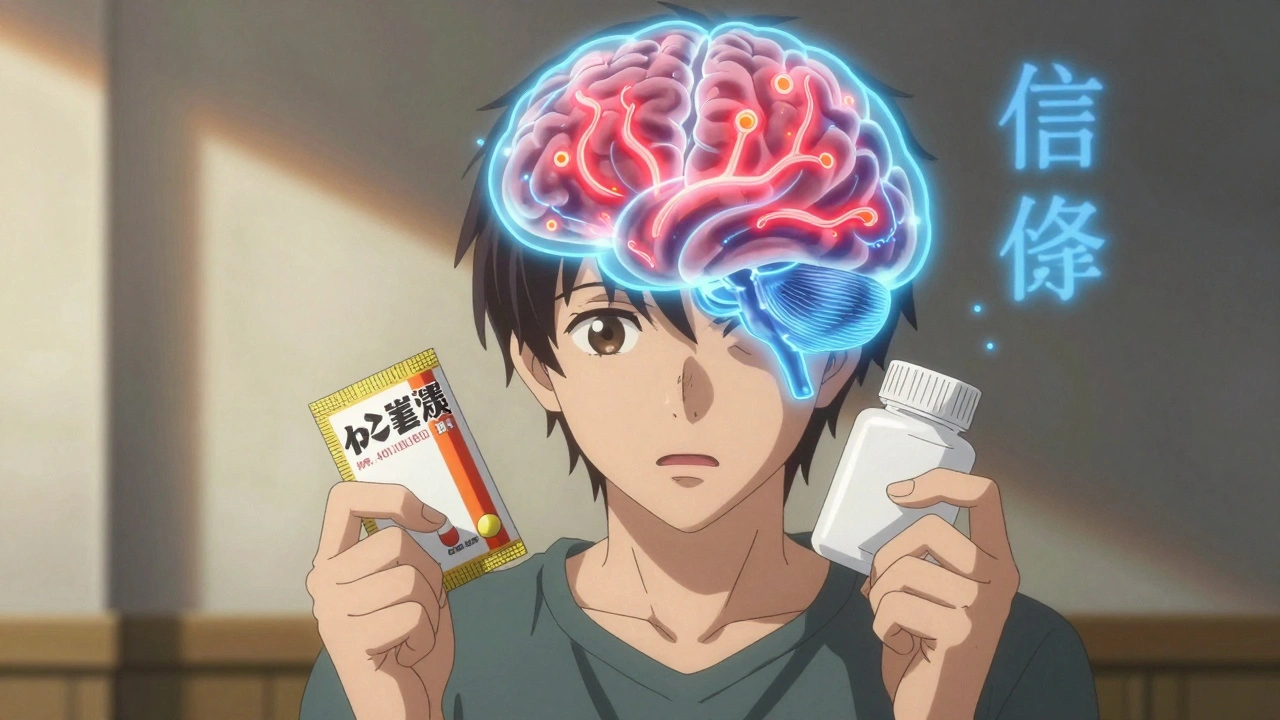
Perception and Medication: How Your Mind Shapes Drug Effects
When you take a pill, your body isn't the only thing responding—your perception and medication, how your beliefs and expectations influence the way drugs work in your system plays a powerful, often hidden role. It's not just about chemistry. If you believe a drug will help, your brain can amplify its effect—even if it's a sugar pill. This isn't magic. It's science. The placebo effect, a measurable change in symptoms caused by belief rather than active ingredients has been proven in hundreds of studies to reduce pain, ease anxiety, and even improve mobility in conditions like Parkinson’s. And it works the other way too: if you expect side effects, you're more likely to feel them, even with a drug that doesn’t cause them in most people.
That’s why patient expectations, the beliefs and assumptions a person brings to a treatment matter just as much as dosage. A patient who thinks generics are weaker might report worse results—even if the bioequivalence testing proves they’re identical to brand-name drugs. A person who distrusts antidepressants may feel more fatigue or nausea, not because the drug is stronger, but because their mind is primed to expect it. This isn’t weakness. It’s biology. Your brain releases natural painkillers, stress hormones, and neurotransmitters based on what you think is happening. That’s why clear communication from doctors and pharmacists isn’t just nice—it’s necessary. When you understand why a drug works, how long it takes, and what’s normal, your perception shifts, and so does your outcome.
Perception also affects whether you keep taking your meds. If you think a drug isn’t working after a few days, you might stop—even if it takes weeks to build up. If you believe side effects are dangerous, you might skip doses. That’s not noncompliance—it’s a reaction to misinformation, fear, or past experience. The posts below show how this plays out in real life: from people misunderstanding antihistamine drowsiness to patients avoiding generics because they think they’re "inferior," or assuming that a more expensive pill must be better. You’ll find guides on how to read labels, how to talk to your provider about concerns, and how small changes in how you think about your meds can lead to big improvements in how they work for you. This isn’t about mind over matter. It’s about mind with matter—and how understanding that connection can make your treatment safer, more effective, and less stressful.