Pregnancy Drug Labeling: What You Need to Know About Medication Safety During Pregnancy
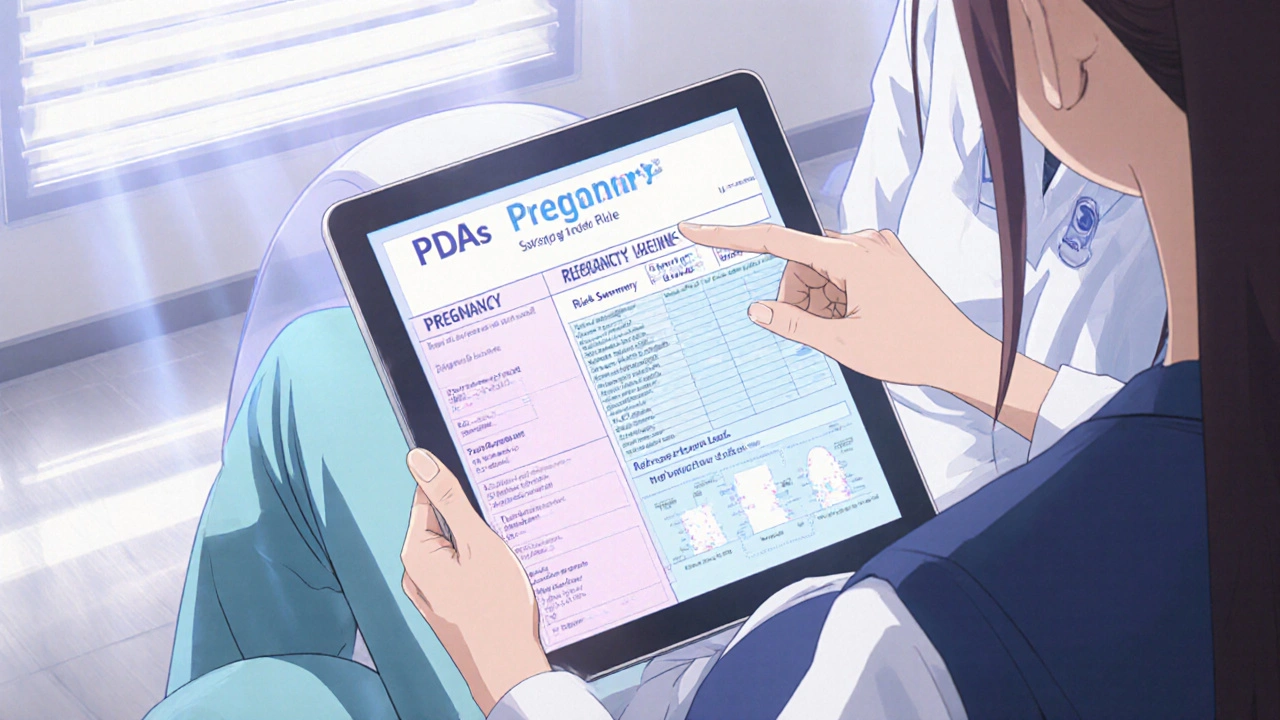
When you're pregnant, every pill, supplement, or OTC remedy carries a question: pregnancy drug labeling, a system used by the FDA to classify how medications affect fetal development. Also known as pregnancy risk categories, it's the only official guide telling you whether a drug might harm your baby. Before 2015, this system used letters—A, B, C, D, X—but that confused more than it helped. Now, it’s all about clear narratives: what the data says, what the risks are, and what you should watch for.
Behind every label is real science. For example, warfarin, a blood thinner linked to serious birth defects when taken in early pregnancy, is now clearly flagged in drug labeling with warnings about fetal warfarin syndrome. Meanwhile, heparin, a safer alternative for pregnant women needing anticoagulation, is listed with specific dosing guidance and monitoring recommendations. These aren’t vague warnings—they’re based on clinical studies, registry data, and years of tracking outcomes in thousands of pregnancies.
But labeling doesn’t just tell you what to avoid. It helps you understand what’s safe to use. For instance, many antidepressants like sertraline now come with detailed labeling on fetal risks, breastfeeding safety, and potential neonatal withdrawal symptoms. You’ll find info on teratogenic drugs, substances proven to cause structural birth defects, like isotretinoin for acne or thalidomide—both now carry black box warnings and mandatory patient education programs. Even common painkillers like NSAIDs get flagged after 20 weeks because they can reduce amniotic fluid and affect fetal heart development.
The goal isn’t to scare you. It’s to give you real, usable information. If your doctor prescribes something, the labeling tells you why they think the benefit outweighs the risk—or why there’s no safe alternative. It explains what to do if you took a drug before knowing you were pregnant. It even tells you which studies were done (or weren’t) because many drugs still lack enough data in pregnancy.
What you’ll find in these posts isn’t just theory. You’ll see how pregnancy drug labeling connects to real decisions: switching from warfarin to heparin, choosing between antihistamines for allergies, or understanding why some supplements like danshen are dangerous during pregnancy. You’ll learn how patient-reported outcomes help improve these labels over time, how compounding errors can mess up prenatal meds, and why bioequivalence matters even when you’re expecting. This isn’t about fear. It’s about clarity—so you can make confident choices with your care team, not guesswork.