
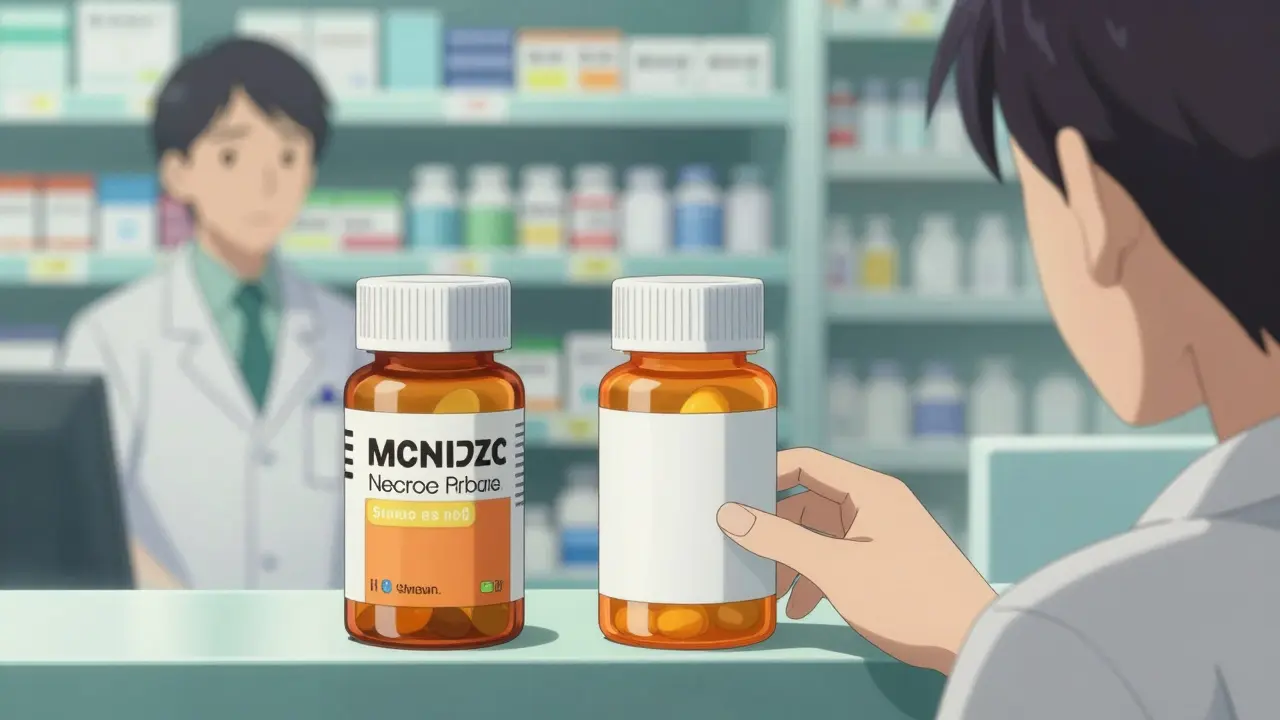
Ever wondered why you can buy the exact same medicine for half the price - same pills, same manufacturer, same box - but with a different label? That’s an authorized generic. And it’s not a trick. It’s not a knockoff. It’s the real thing, sold cheaper.
Let’s be clear: an authorized generic isn’t just similar to the brand-name drug. It’s identical. Same active ingredient. Same inactive fillers. Same factory. Same quality control. Even the same batch number in some cases. The only difference? The label. And the price.
How Authorized Generics Work - No Magic, Just Math
When a brand-name drug’s patent expires, the law gives the first generic company 180 days of exclusive rights to sell their version. That’s meant to reward them for the cost and risk of challenging the patent. But here’s the twist: the original brand company can also launch its own generic version - called an authorized generic - at the same time.
That’s not a loophole. It’s built into the system. The FDA allows the brand company to sell the exact same drug under a different name, using the original approval (NDA), not the generic one (ANDA). That means no extra testing. No new factory setup. No delays. They just slap a new label on the same pills they’ve been making for years.
So why do they do it? Simple: to keep control of the market. If they don’t launch an authorized generic, the first generic company can charge almost as much as the brand - sometimes 80% of the original price - because they’re the only option for six months. But if the brand company enters with its own cheaper version? That forces the first generic to drop prices fast. And suddenly, everyone wins - except the brand’s profit margin.
Why Authorized Generics Cost Less - The Real Reason
You might think the price drop comes from cutting corners. It doesn’t. Authorized generics cost less because they skip the biggest expense: marketing.
Brand-name drugs spend billions on TV ads, doctor visits, and patient programs. That’s why a pill that costs 10 cents to make can sell for $5. Authorized generics don’t do any of that. No ads. No sales reps. No fancy packaging. They’re sold quietly through pharmacies, often without even a logo on the box.
Plus, they don’t need to recoup R&D costs. The brand company already made back its investment years ago. The authorized generic is just a way to squeeze out extra revenue from a product that’s about to be flooded with cheaper copies.
Here’s what that looks like in real numbers: When the brand EpiPen cost $600, Mylan’s authorized generic sold for $300. That’s not a discount - that’s the brand admitting it doesn’t need to charge the full price anymore. The same happened with Gilead’s hepatitis C drugs Harvoni and Epclusa. Before patents even expired, they released authorized generics to keep patients from switching to cheaper alternatives.
How Much You Save - And When You Don’t
On average, authorized generics cost 4% to 8% less than the brand-name version. That doesn’t sound like much - until you realize that’s the same drug, same pill, same manufacturer. That’s pure savings.
But here’s the catch: your pharmacy benefit manager (PBM) decides which version you get. PBMs are the middlemen between insurers and pharmacies. They control which drugs go on which tier of your plan. If your PBM puts the brand and the authorized generic on the same tier, you’ll pay the same copay for both. That means you’re not saving anything - even though the pharmacy paid less for the generic.
Some PBMs, though, put authorized generics on the lowest-cost tier. That’s when you actually save. In one study of 1.2 million Medicare patients, those who switched to authorized generics saw an 8.2% increase in medication adherence. Why? Because they could afford to keep taking their pills.
Bottom line: You don’t save just because an authorized generic exists. You save only if your plan lets you.
Authorized Generics vs. Regular Generics - What’s the Difference?
It’s easy to confuse authorized generics with regular generics. They’re both cheaper than brands. But they’re not the same.
- Regular generics are made by different companies. They use the same active ingredient, but may have different fillers or coatings. They need FDA approval through an Abbreviated New Drug Application (ANDA). They usually hit the market after the 180-day exclusivity period ends.
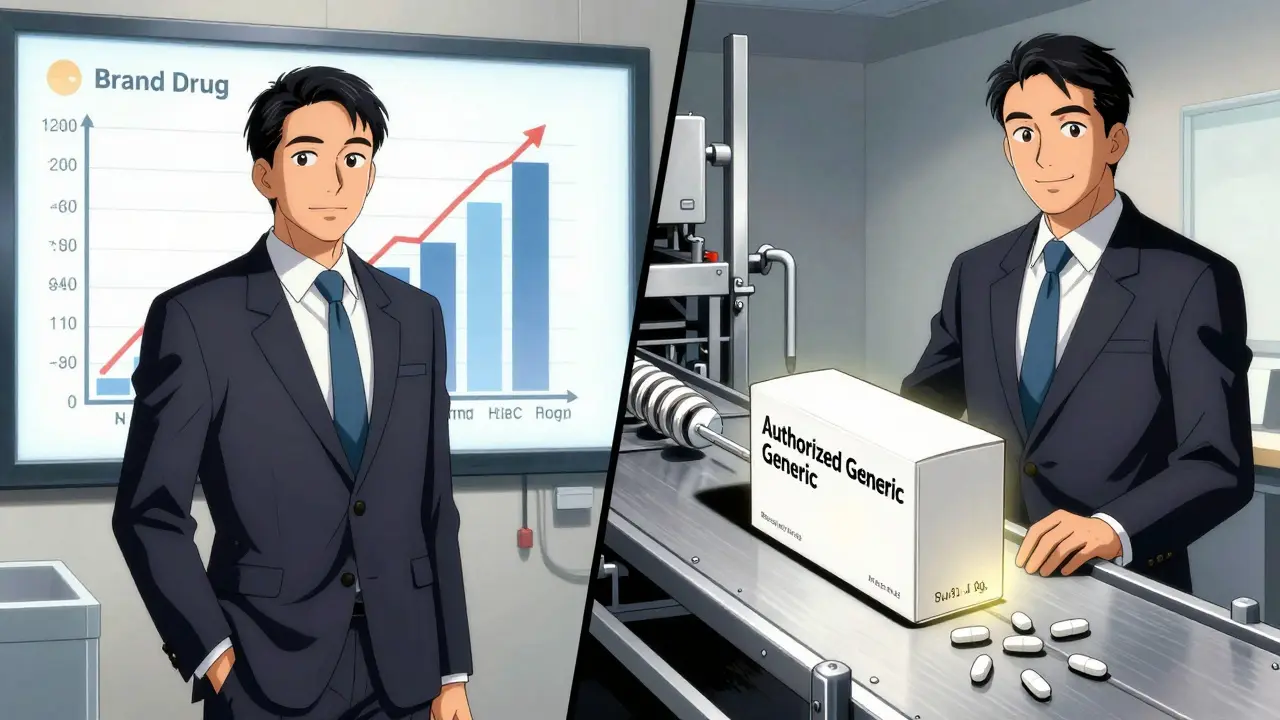
- Authorized generics are made by the brand company - or under their direct permission. Same factory. Same formula. Same batch. No ANDA needed. They launch on day one of generic competition.
That’s why authorized generics often hit the market faster and with more pricing pressure. A regular generic might take months to get approved. An authorized generic? It’s ready the day the patent expires.
And here’s something most people don’t know: when an authorized generic enters the market, it forces down prices for all generics. Studies show that when an authorized generic is present, the first generic lowers its price by 13% to 18% - just to stay competitive. That ripple effect saves billions across the system.
Why Some Experts Worry About Authorized Generics
Not everyone sees authorized generics as a win. Some critics say they’re a tactic to delay real competition.
Here’s how: Sometimes, a brand company will agree to launch an authorized generic as part of a deal with the first generic manufacturer. In exchange for dropping a patent lawsuit, the brand lets the generic sell its version - but only if the brand gets to sell its own version too. That means instead of one new competitor, you get two: the original brand and its copycat. That keeps prices higher than they’d be if five or six true generics entered the market.
It’s not illegal. But it’s strategic. The Federal Trade Commission has flagged these deals as potentially anti-competitive. In some cases, they’ve pushed back. Still, they’re common - especially in high-cost drugs like cancer treatments and insulin.
Dr. Aaron Kesselheim from Harvard puts it plainly: “Authorized generics are a powerful tool to prevent the first generic from setting a high price. But they can also be used to block the flood of cheaper options that would drive prices even lower.”
What This Means for You
If you’re paying for a brand-name drug, ask your pharmacist: “Is there an authorized generic for this?”
It’s not always obvious. The label won’t say “authorized generic.” You might need to check your insurance formulary or ask your doctor to prescribe it specifically.
Some pharmacies automatically substitute authorized generics. Others don’t. If you’re paying full price for a drug that has a cheaper authorized version, you’re leaving money on the table.
And if you’re on Medicare or a private plan, check your formulary. Look for the lowest-cost tier. If the authorized generic is there - and the brand isn’t - you’re getting the best deal possible.
It’s not about choosing between brand and generic. It’s about choosing between paying more for the same thing - or paying less for the exact same thing.
The Bigger Picture
Authorized generics are part of a broken system that’s slowly fixing itself. The U.S. spends more on prescription drugs than any other country. But this is one of the few places where the market actually works - when it’s allowed to.
More than 67% of brand manufacturers have used authorized generics since 2010. They’re not going away. With the Inflation Reduction Act capping out-of-pocket drug costs at $2,000 for Medicare patients in 2025, the pressure to keep prices low is only growing.
Authorized generics won’t fix everything. But they’re one of the few tools that actually deliver immediate savings without compromising safety or quality. And for millions of people, that’s enough.
Are authorized generics as safe as brand-name drugs?
Yes. Authorized generics are made in the same factory, with the same ingredients, and under the same quality controls as the brand-name version. The FDA requires them to be identical in safety, strength, and performance. There is no difference in how they work or how safe they are.
Can I ask my doctor to prescribe an authorized generic?
Absolutely. Doctors can write prescriptions for specific versions of a drug. If you want the authorized generic, ask your doctor to write the name of the generic version or check with your pharmacist to see which one your insurance covers at the lowest cost.
Why don’t pharmacies always offer authorized generics?
It depends on your insurance plan and how your pharmacy benefit manager (PBM) structures its formulary. Some PBMs don’t list authorized generics separately, or they put them on the same tier as the brand. That means you pay the same price - even if the pharmacy paid less for the generic. Always ask your pharmacist what’s available and what your copay will be.
Do authorized generics have the same side effects as the brand?
Yes. Since they contain the exact same active and inactive ingredients, the side effects are identical. If you’ve taken the brand-name version without issues, the authorized generic will behave the same way in your body.
How do I find out if my drug has an authorized generic?
Check the FDA’s quarterly list of authorized generics on their website. You can also ask your pharmacist or use your insurance plan’s drug lookup tool. Many pharmacy apps now show if an authorized generic is available and how much you’ll save.



Comments (15)