

Planning a trip abroad? Don’t just pack your suitcase and hope for the best. Many travelers get sick not because of bad luck, but because they didn’t plan their medications properly. A travel health clinic isn’t just another doctor’s appointment-it’s your best shot at staying healthy overseas. These clinics specialize in exactly what you need: personalized medication plans based on where you’re going, how long you’ll stay, and what you’ll be doing there.
Why a Travel Health Clinic Beats Your Regular Doctor
Your family doctor might know your medical history, but they probably don’t know the difference between malaria risk in rural Kenya versus urban Nairobi. That’s where travel health clinics come in. They track real-time disease outbreaks, know which countries require specific vaccines, and understand exactly when to start taking anti-malarial drugs so they’re effective by the time you land.A 2022 study in the Journal of Travel Medicine found that travelers who used specialized clinics had up to 72% fewer illnesses compared to those who only saw their regular doctor. Why? Because travel clinics don’t just hand out prescriptions-they assess your entire trip. They ask questions like: Are you hiking in the Andes? Staying in a rural village? Eating street food? Each detail changes the medication plan.
General practitioners miss about 37% of destination-specific risks, according to the CDC’s Yellow Book 2024. That’s not because they’re careless-it’s because they’re not trained to keep up with the constantly changing health landscape across 200+ countries.
What Medications Do Travel Clinics Prescribe?
It’s not just vaccines. The real value comes from the medications they tailor to your trip. Here’s what you might walk out with:- Anti-malarial drugs: Depending on your destination, you might get atovaquone-proguanil (Malarone), doxycycline, or mefloquine. Malarone is taken daily and must start 1-2 days before travel. Mefloquine needs to begin 2-3 weeks ahead because of how it builds up in your system.
- Traveler’s diarrhea treatment: Azithromycin (500 mg daily for 3 days) is often prescribed for self-treatment. You don’t take it preventively-you carry it and use it only if you get sick. Some clinics also recommend loperamide (Imodium) for symptom control.
- Altitude sickness prevention: If you’re heading to the Andes, Himalayas, or Ethiopian highlands, acetazolamide (Diamox) at 125 mg twice daily, starting 24-48 hours before ascent, can prevent headaches, nausea, and fatigue.
- Yellow fever vaccine: Required for entry into parts of Africa and South America. It must be given at a CDC-registered clinic and takes 10 days to become effective. The certificate is valid for life-no more booster shots.
These aren’t one-size-fits-all. A 65-year-old with diabetes and a 25-year-old backpacker heading to the same country will get completely different prescriptions. Clinics also check for drug interactions. If you’re on blood thinners or antidepressants, they’ll adjust recommendations to avoid dangerous combinations.
When to Schedule Your Appointment
Timing is everything. The CDC and Mayo Clinic both say: book your appointment 4-8 weeks before departure. Why? Because some vaccines need weeks to build immunity, and some medications need to start before you leave.For example:
- Yellow fever vaccine: Must be given at least 10 days before travel.
- Mefloquine: Must start 2-3 weeks before entering a malaria zone.
- Cholera vaccine: Requires two doses spaced at least one week apart.
Waiting until two weeks out? You might still get some vaccines, but you’ll miss the window for full protection. And if you’re going to a high-risk area like sub-Saharan Africa, skipping the full course of anti-malarials increases your risk of contracting malaria by over 60%.
Even if you’re leaving in a week, go anyway. UC Davis says last-minute visits still help-especially for getting prescriptions for diarrhea meds or advice on avoiding contaminated water. But don’t count on getting all vaccines. Some just won’t have time to work.

What to Bring to Your Appointment
Don’t walk in blind. Bring this info:- Your full itinerary: Countries, cities, duration, and planned activities (e.g., jungle trekking, river rafting, staying in hostels).
- Your medical history: Chronic conditions like diabetes, asthma, or heart disease. Also list any allergies.
- Current medications: Include prescriptions, supplements, and over-the-counter drugs.
- Previous travel records: Especially if you’ve had illnesses abroad or received vaccines before.
- Travel insurance details: Some clinics help you understand what’s covered overseas.
Also, bring a list of questions. Common ones include: “What if I lose my pills?” “Can I take this with my birth control?” “Is it safe if I’m pregnant?” Don’t assume they’ll bring it up. You’re the one who knows your trip best.
Travel Clinics vs. Retail Clinics: What’s the Difference?
You might see ads for CVS MinuteClinic or Walgreens offering “travel shots.” They’re convenient, but they’re not the same.Here’s how they compare:
| Feature | Specialized Travel Clinic | Retail Clinic (CVS, Walgreens) |
|---|---|---|
| Consultation time | 30-45 minutes | 10-15 minutes |
| Medication customization | Yes-tailored to itinerary, health, and activities | Basic-often one-size-fits-all |
| Chronic condition management | Yes-coordinates with your doctor | No-refers out for complex cases |
| Yellow fever vaccination | Yes-CDC-registered | Only at select locations |
| Cost (without insurance) | $150-$250 | $129 |
| Follow-up support | Yes-email, phone, electronic records | Minimal |
Specialized clinics are worth the extra cost if you’re going to a high-risk area, have a chronic illness, or are traveling with kids or elderly family members. Retail clinics are fine for healthy travelers doing short trips to low-risk destinations-like a beach vacation in Cancún.
What Happens After Your Visit?
You won’t just leave with prescriptions. You’ll get:- A printed or digital list of all medications, with clear instructions on when to start, how to take them, and what to do if you miss a dose.
- Advice on avoiding contaminated food and water.
- Emergency contact info for local clinics abroad.
- A signed International Certificate of Vaccination (for yellow fever).
- Access to digital records-68% of clinics now offer online portals where you can download your vaccine history and medication schedule.
Some clinics even send you reminders via text or email when it’s time to start your anti-malarial pills. Stanford Health Care’s pilot program uses AI to flag potential medication errors based on your itinerary and health data.
Common Mistakes to Avoid
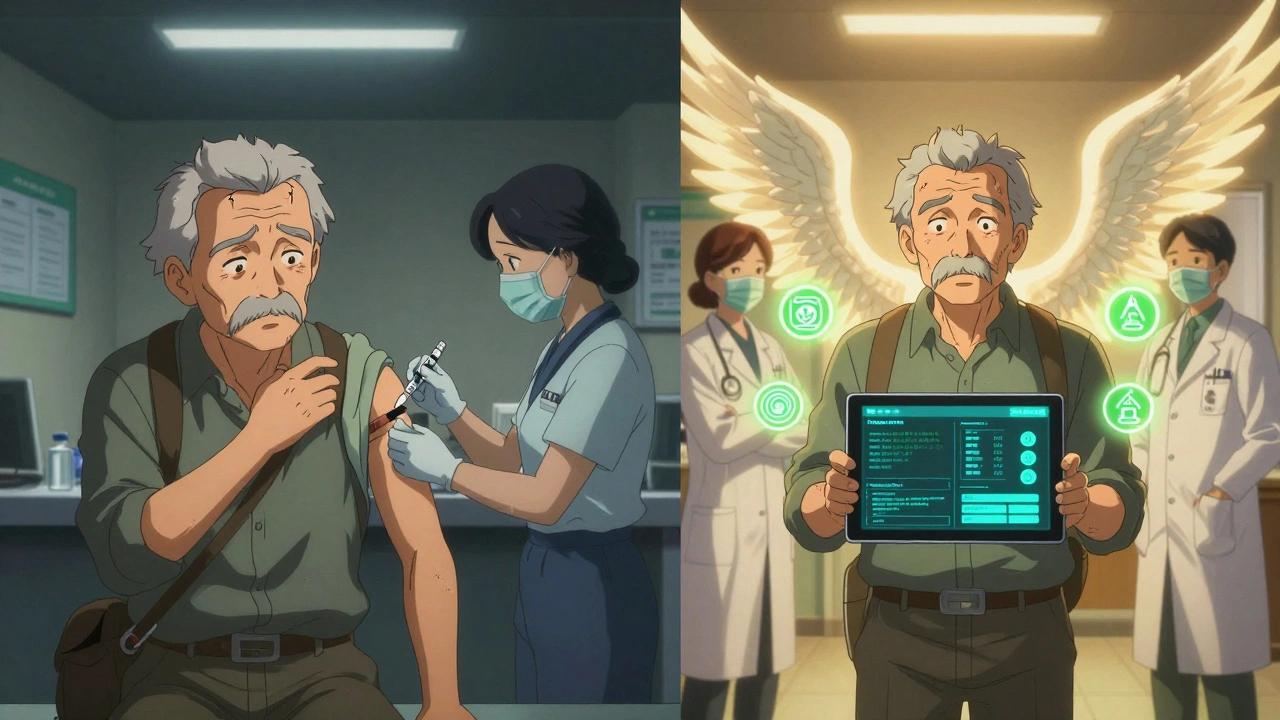
Even with a clinic visit, people still mess up:- Skipping anti-malarials: 28% of preventable malaria cases happen because travelers didn’t start their pills early enough or stopped too soon. Finish the full course-even after you get home.
- Buying meds abroad: Counterfeit drugs are common in some countries. Always bring your own supply.
- Overusing antibiotics: Some clinics overprescribe azithromycin without proper counseling. Use it only if you have diarrhea with fever, blood, or severe cramps. Don’t take it “just in case.”
- Ignoring altitude risks: Many assume they’ll be fine. But altitude sickness can strike fast. Start acetazolamide before you climb, even if you feel fine.
- Forgetting to carry meds in your carry-on: Checked luggage gets lost. Keep all prescriptions, including diarrhea meds and painkillers, in your personal bag.
And don’t forget: some countries require proof of vaccination to enter. If you don’t have your yellow fever card, you might be turned away at the border-even if you’re just transiting.
What’s New in Travel Medicine (2025)
The field is evolving fast:- AI risk tools: By 2026, most clinics will use AI to analyze your health data and destination risks in real time. If there’s a dengue outbreak in Thailand while you’re planning your trip, the system will automatically update your recommendations.
- Genetic testing: Stanford is testing CYP2C8 gene screening to see how your body metabolizes anti-malarials. This could mean fewer side effects and better protection.
- Telehealth: Mayo Clinic now does virtual consults for 15,000+ patients a year. You can get your plan, prescriptions, and advice from home-then pick up meds at your local pharmacy.
- “Fit to Fly” clearance: Since the pandemic, clinics now offer documentation for travelers recovering from illness, helping them board flights without issues.
These aren’t gimmicks-they’re making travel safer and more personalized than ever.
Final Thoughts: Don’t Risk It
Traveling is exciting. Getting sick on vacation? Not so much. A travel health clinic doesn’t just give you pills-it gives you confidence. You’ll know what to do if you get sick, what to avoid, and how to stay safe in places your regular doctor has never heard of.Use it. Plan ahead. Bring your list. Ask the hard questions. And don’t wait until the last minute. Your future self-on a beach in Bali or hiking in Peru-will thank you.
Do I need a travel health clinic if I’m only going to Europe?
For most healthy travelers going to Western Europe, a travel clinic isn’t required. Routine vaccines (like MMR or tetanus) are usually enough. But if you’re going to rural areas, planning outdoor activities like hiking or camping, or have a chronic condition like diabetes, a clinic can still offer valuable advice on food safety, tick-borne illnesses, or medication storage in hot weather.
Can I get all my travel vaccines from my regular doctor?
Maybe-but not always. Many family doctors don’t stock travel-specific vaccines like yellow fever, typhoid, or Japanese encephalitis. Even if they do, they may not know the latest CDC guidelines for malaria prevention in certain regions. Travel clinics update their protocols quarterly and have direct access to the CDC’s real-time outbreak alerts.
What if I’m pregnant or breastfeeding?
Many travel medications are safe during pregnancy or breastfeeding, but not all. For example, doxycycline is avoided in pregnancy, but atovaquone-proguanil (Malarone) is considered low-risk. A travel clinic will review your medical history and choose the safest options. They’ll also advise on avoiding mosquito bites, which is even more critical during pregnancy due to risks like Zika or malaria complications.
How long do travel vaccines last?
It varies. Yellow fever vaccine lasts a lifetime. Hepatitis A needs two doses and lasts 20+ years. Typhoid vaccine (injectable) lasts 2 years, oral lasts 5. Some, like meningococcal, last 3-5 years. The clinic will give you a record with expiration dates. You don’t need boosters unless you’re traveling again after the window closes.
Can I use my insurance for a travel clinic visit?
Some plans cover part of the cost, especially if you have a PPO or through a university-affiliated clinic. Retail clinics like CVS often accept insurance for vaccines but not the consultation fee. Most specialized clinics don’t bill insurance directly-you pay upfront and submit a claim. Always call ahead to ask what’s covered.
What if I lose my medications while traveling?
Before you leave, ask the clinic for a letter explaining your prescriptions-this helps if you need to refill abroad. Also, carry extra pills in your carry-on. For essential meds like anti-malarials, consider splitting your supply between bags. If you’re in a remote area, contact your country’s embassy-they often have lists of local pharmacies that can help.




Comments (11)