

Switching from a brand-name drug to a generic version is common - and usually safe. But for some people, it’s not just a cost-saving move. It can mean the difference between feeling stable and suddenly struggling with symptoms. If you’ve been switched to a generic medication and notice something’s off - more side effects, less control over your condition, or just a feeling that it’s not working the same - you’re not imagining it. Tracking medication effectiveness after a generic switch isn’t optional for certain drugs. It’s essential.
Why Some Generics Don’t Work the Same
The FDA says generics must be bioequivalent to the brand name. That means they deliver the same active ingredient at the same rate and amount, within a narrow range. For most drugs, that’s fine. But for drugs with a narrow therapeutic index (NTI), even tiny differences matter. These are medications where the gap between a helpful dose and a harmful one is very small. Think warfarin (blood thinner), levothyroxine (thyroid hormone), or certain seizure meds like phenytoin. A 5% change in absorption might not seem like much. But for someone on warfarin, that could mean their INR drops from 2.5 to 2.1 - still in range, but enough to increase clotting risk. Or it could spike to 3.2, raising bleeding danger. Studies show that 23% of patients switched from brand to generic levothyroxine had TSH levels go out of target within six months. Brand users? Only 8% did. It’s not always the active ingredient. Inactive ingredients - fillers, dyes, coatings - can affect how fast the drug dissolves. One patient might have a sensitivity to a dye in the generic version. Another might find the tablet harder to swallow, leading to inconsistent dosing. These aren’t flaws. They’re real, documented differences that can change outcomes.What to Track: The 4 Key Metrics
Don’t just wait for symptoms. Be proactive. Here’s what to monitor after a switch:- Lab values - For NTI drugs, check specific markers. Warfarin users need INR tests. Thyroid patients need TSH. Epilepsy patients may need blood levels of the drug itself. Track these at baseline, then again at 7, 30, and 90 days after the switch.
- Symptom logs - Write down how you feel. Seizure frequency? Mood swings? Blood pressure readings? Fatigue? Use a simple notebook or phone app. Note when symptoms started and if they worsened after the switch.
- Medication gaps - If you stop filling your prescription for more than 90 days, that’s a red flag. Research shows this is one of the strongest predictors that the generic isn’t working or is causing side effects. It’s not always about cost - often, it’s because the patient felt worse and quit.
- Healthcare visits - Did you go to the ER more? Have more urgent care visits? More doctor appointments for the same issue? A spike in visits after a switch is a clear signal something’s wrong.
Which Drugs Need the Most Attention
Not all generics are created equal. Some carry higher risk. Here’s where to be extra careful:- Antiepileptics - 14 documented cases of breakthrough seizures occurred after switching to generic versions. In 87% of those cases, going back to the brand fixed it.
- Digoxin - One study found a 35% increase in hospitalizations for toxicity after switching to generic digoxin.
- Warfarin - 28% of patients needed a dose adjustment within 60 days of switching to generic, compared to 12% staying on brand.
- Psychiatric meds - Antidepressants, antipsychotics, and mood stabilizers often show higher discontinuation rates. Patients report feeling “off,” more anxious, or depressed - even when labs look normal.
How to Set Up a Tracking Plan
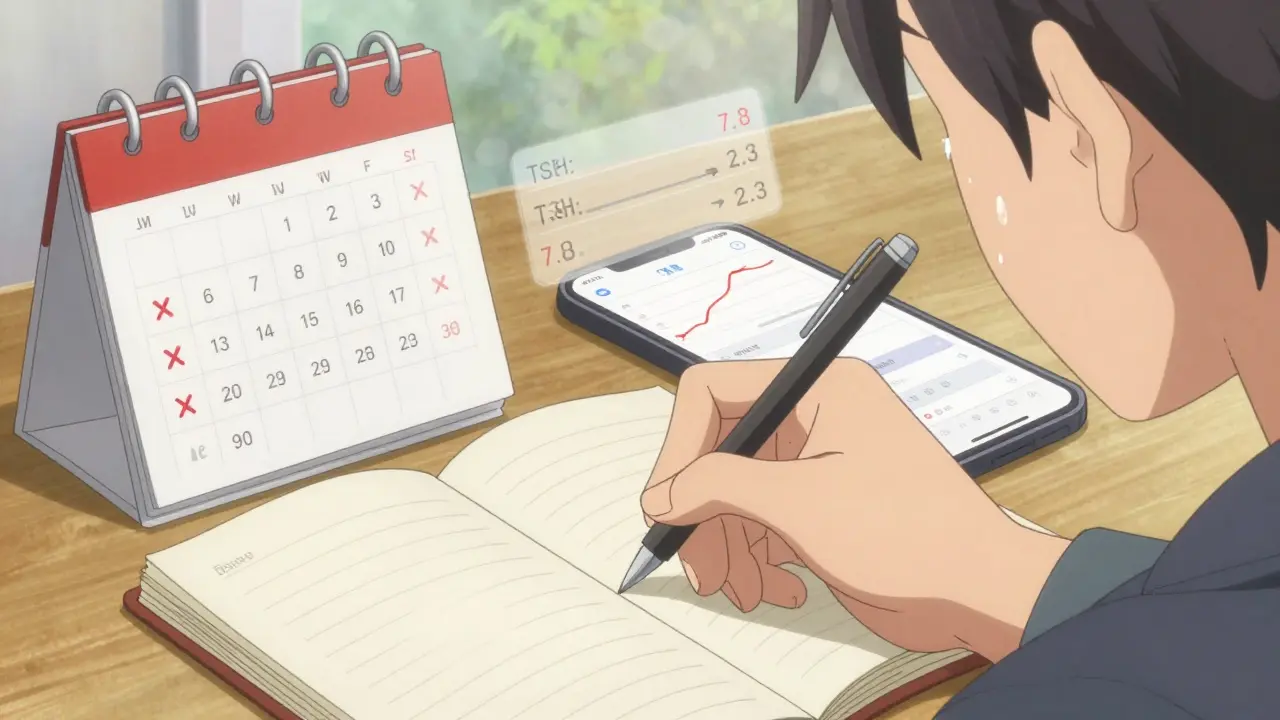
Follow this simple 4-phase system:- Before the switch - Write down your current lab results, symptoms, and medication schedule. Take a photo of your pill bottle. This is your baseline.
- Days 1-7 - Talk to your pharmacist. Ask: “Is this the same as my old one?” Get contact info for follow-up. Start your symptom log.
- Days 8-90 - Stick to a strict monitoring schedule. For NTI drugs: weekly labs for the first month, then monthly. For others: monthly labs or symptom check-ins. If you miss a dose or feel worse, call your doctor before your next appointment.
- Day 91+ - If your labs are stable and symptoms haven’t changed, you’re likely fine. But keep monitoring. Some issues show up months later.
What Your Doctor and Pharmacist Should Be Doing
You shouldn’t have to do all the work. But many don’t. Here’s what good care looks like:- Doctors should approve switches for NTI drugs - not just let pharmacists substitute automatically.
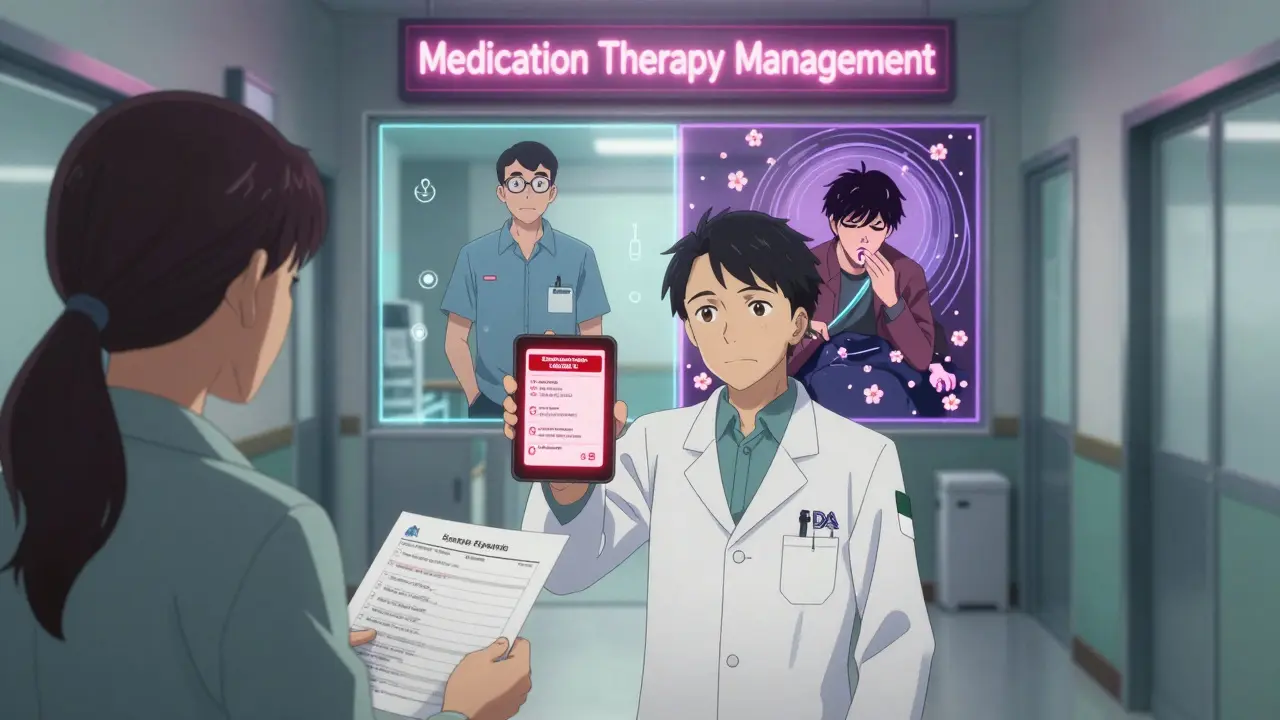
- Pharmacists should offer Medication Therapy Management (MTM) sessions after a switch. That’s a free 15-30 minute check-in to review how you’re doing.
- Electronic health records should flag high-risk switches. Systems like Epic now have alerts that trigger if lab values shift more than 15% within 90 days.
What to Do If It’s Not Working
If you’re sure the generic isn’t working:- Don’t stop taking it cold turkey. That’s dangerous, especially for seizure or heart meds.
- Call your doctor. Bring your symptom log and lab results.
- Ask if you can switch back to the brand. Many insurance plans will cover it if you prove the generic failed.
- Request a “therapeutic equivalence code” check. The FDA rates generics as AB (safe to substitute) or BX (potential issues). If your drug is BX, that’s your evidence.
The Bigger Picture
Over 90% of prescriptions in the U.S. are generic. That’s a win for affordability. But effectiveness tracking isn’t optional - it’s part of good medicine. Only 18% of healthcare systems have formal protocols to monitor outcomes after a switch. That’s changing. The FDA now requires post-market studies for all new NTI generics. Medicare plans are starting to track this through medication therapy management. The goal isn’t to stop generics. It’s to make sure no one gets hurt because someone assumed “same drug = same result.” Your health isn’t a cost center. It’s your life.Real Stories, Real Outcomes
One patient in Melbourne switched from brand to generic levothyroxine. Her TSH jumped from 2.1 to 7.8. She felt exhausted, gained weight, and started forgetting things. Her doctor dismissed it - “It’s still in range.” She pushed for a retest. Three weeks later, she was back on brand. Her TSH dropped to 2.3. Her energy returned. She didn’t just feel better - she got her life back. Another, on warfarin, had two minor bleeds after switching. Her INR was all over the place. Her pharmacist noticed the pattern and flagged it. She was switched back. No more bleeds. These aren’t rare cases. They’re preventable.Can I ask my pharmacist to keep me on the brand name?
Yes. You have the right to refuse a generic substitution. Tell your pharmacist: “I’d like to stay on my current brand.” They can note this in your file. Some states require pharmacists to inform you before switching. If they don’t, ask why. If your doctor agrees it’s medically necessary, your insurance may cover the brand even if it’s more expensive.
Are generic drugs less effective overall?
No - for most drugs, generics work just as well. But for narrow therapeutic index drugs - like warfarin, levothyroxine, and seizure meds - small differences in how the drug is absorbed can lead to real clinical problems. It’s not about quality. It’s about precision. Think of it like two identical-looking cars: one might have a slightly different fuel injector. For daily commuting, it’s fine. For a race, it matters.
How long should I wait before deciding if the generic is working?
It depends on the drug. For blood thinners or thyroid meds, check lab values at 30 days. For seizure meds or psychiatric drugs, give it 6-8 weeks - your body needs time to adjust. But if you feel worse in the first week, don’t wait. Call your doctor. Early signs matter.
Can I switch back to the brand if the generic doesn’t work?
Absolutely. Many insurance plans allow a one-time switch back if you document that the generic caused problems. Keep your symptom log, lab results, and any ER visits. Your doctor can submit a “medical necessity” form. Some patients report being switched back successfully after just one bad experience.
What if my doctor says the generic is fine, but I still feel off?
Your experience matters. Doctors rely on labs, but symptoms are just as important - especially for mental health, neurological, or chronic conditions. Bring your log. Say: “I know the numbers look okay, but I’m not feeling like myself. Can we try going back to the brand for a month to compare?” If they refuse, ask for a second opinion. Your health is not a number on a screen.
Next Steps: What You Can Do Today
- Check your current prescription. Is it generic? If you’re on a high-risk drug (warfarin, levothyroxine, seizure meds, etc.), make a plan.
- Call your pharmacist and ask: “Was this drug switched from a brand? Can you confirm the manufacturer?”
- Set a reminder for 30 days from now. Write down how you’ve been feeling. Take your blood pressure, note your mood, track sleep.
- If you’re unsure, schedule a 10-minute call with your doctor. Say: “I want to make sure this switch is working for me.”





Comments (14)