How Peer Attitudes Shape Your Choices: A Guide to Social Influence
Explore how peer attitudes silently shape your choices through neuroscience, network theory, and behavioral economics.
Read More

Explore how peer attitudes silently shape your choices through neuroscience, network theory, and behavioral economics.
Read More
Explore the pros and cons of mail-order generics, covering cost savings, adherence benefits, and safety risks like temperature control and shipping delays.
Read More
Explore how yoga and tai chi serve as evidence-based therapies for chronic pain. Learn which styles work best for conditions like fibromyalgia and osteoarthritis, plus safety tips and cost expectations.
Read More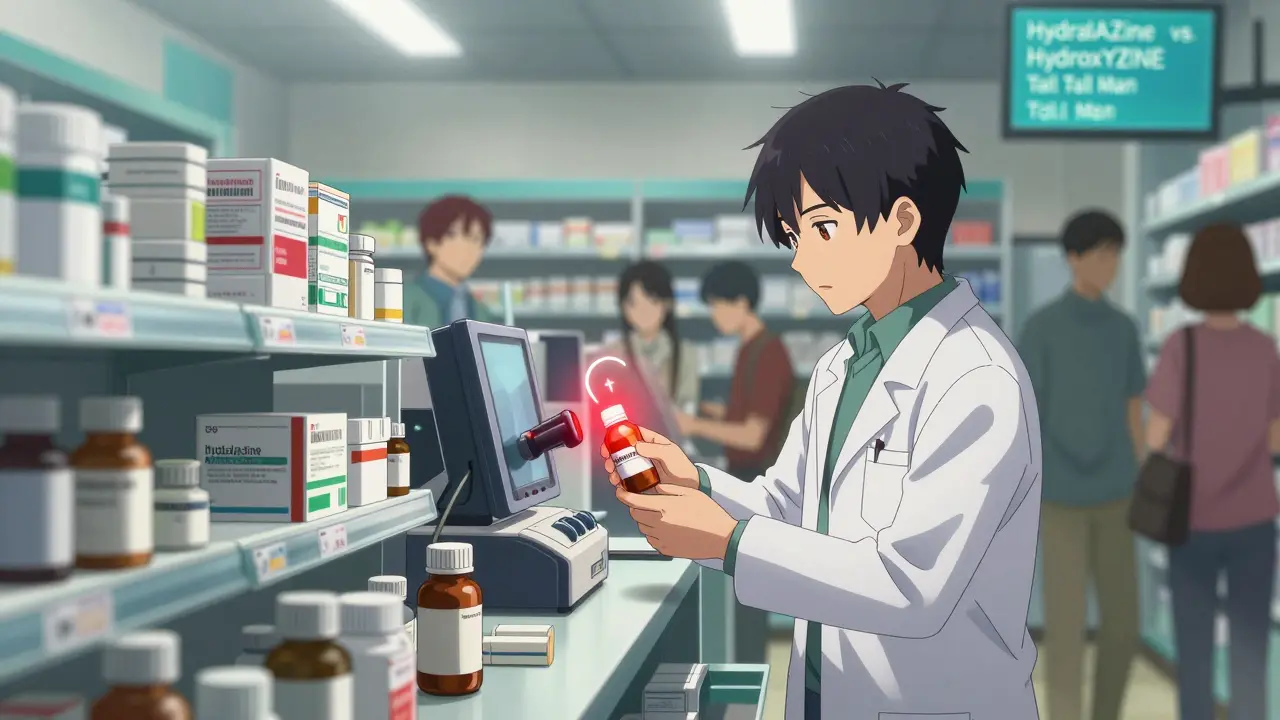
Dispensing errors in pharmacies are more common than you think, with 1.6% of all prescriptions containing mistakes. Learn the top causes - from similar drug names to workload pressure - and how proven strategies like barcoding, double-checks, and patient engagement can prevent them.
Read More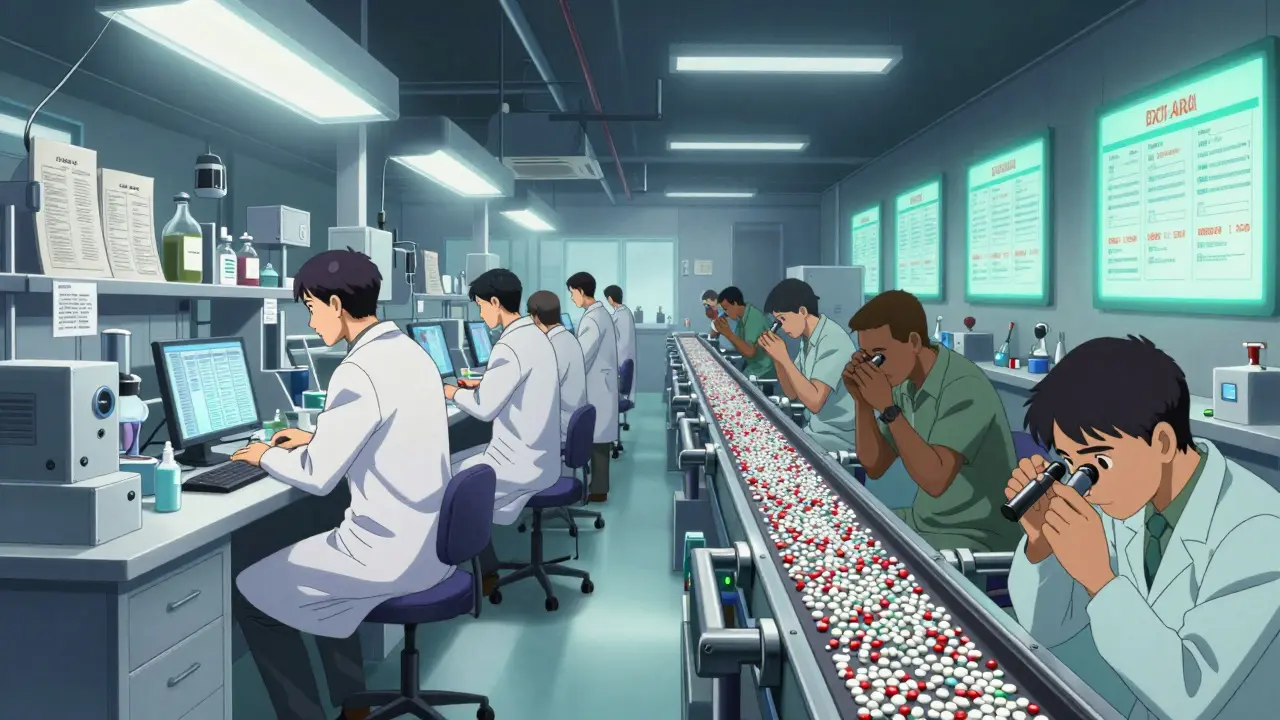
Generic drugs cost far less than brand-name versions, not because they're made with cheaper ingredients, but because of how labor is structured, scaled, and outsourced. This is why labor cost differences drive the entire generic drug market.
Read More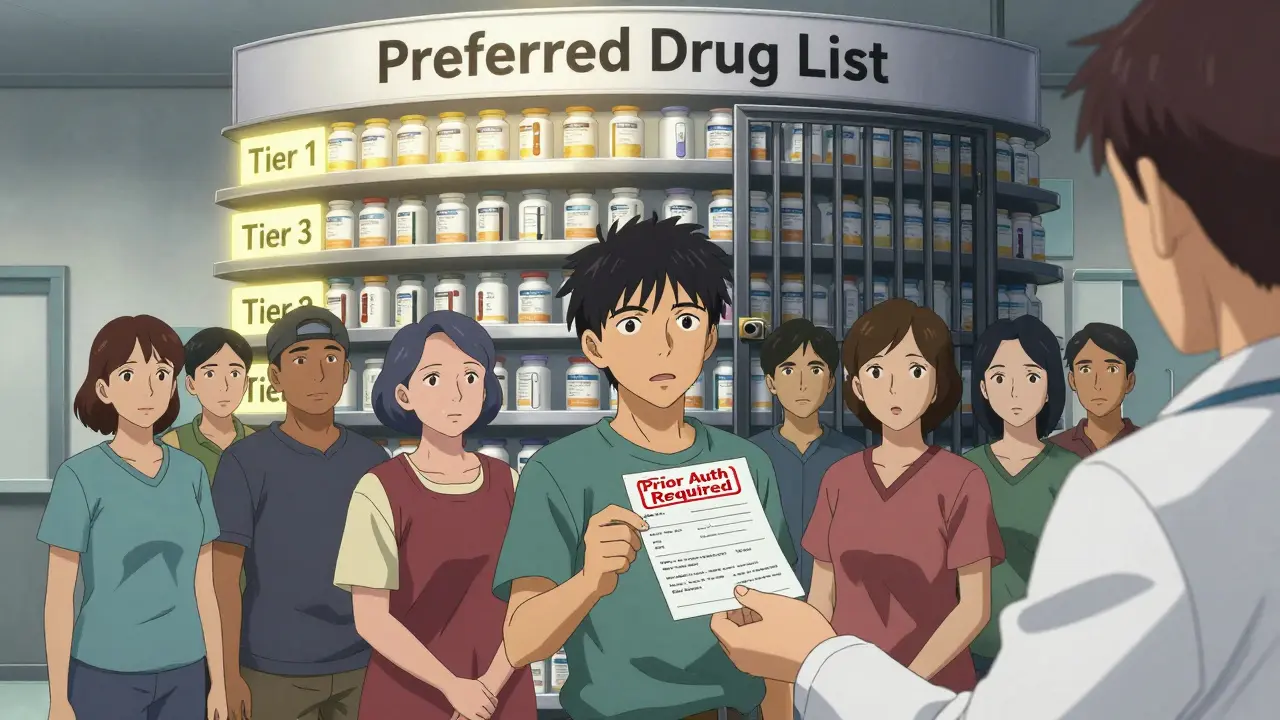
Medicaid covers prescription drugs for 85 million Americans, but coverage varies by state. Learn what's included, how step therapy and prior auth work, what you pay, and how to get the drugs you need.
Read More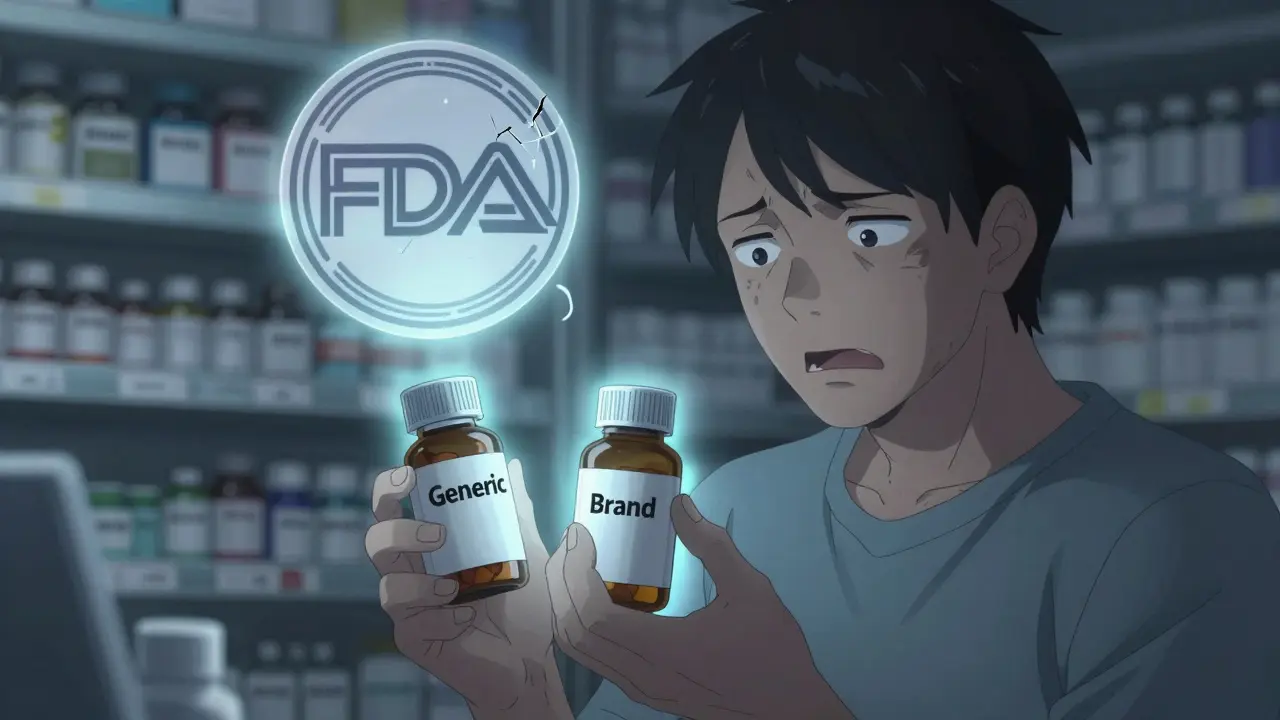
Generics are just as safe as brand-name drugs for most people-but not always. Learn why some patients report worse side effects, how manufacturing and inactive ingredients play a role, and when to stick with one version.
Read More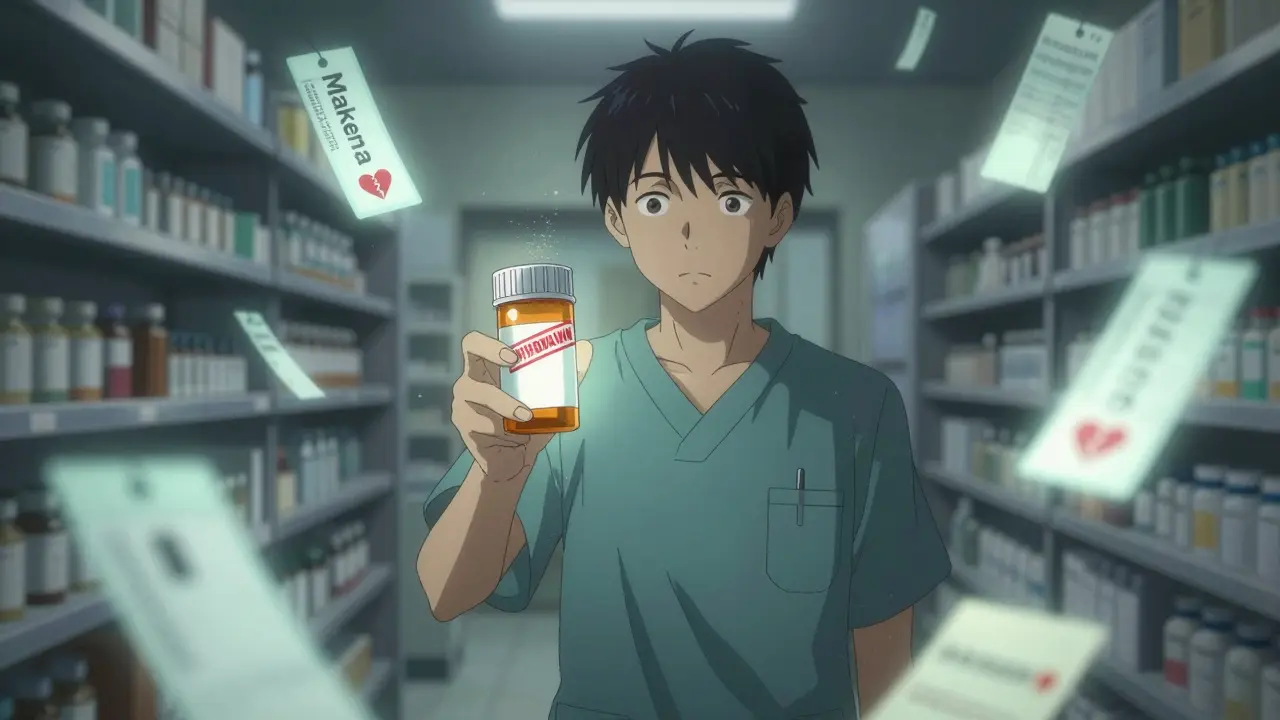
Medications are pulled from the market when they’re unsafe or don’t work-but the system used to take years. Learn how the 2023 FDA reforms are changing the game and what it means for patients.
Read More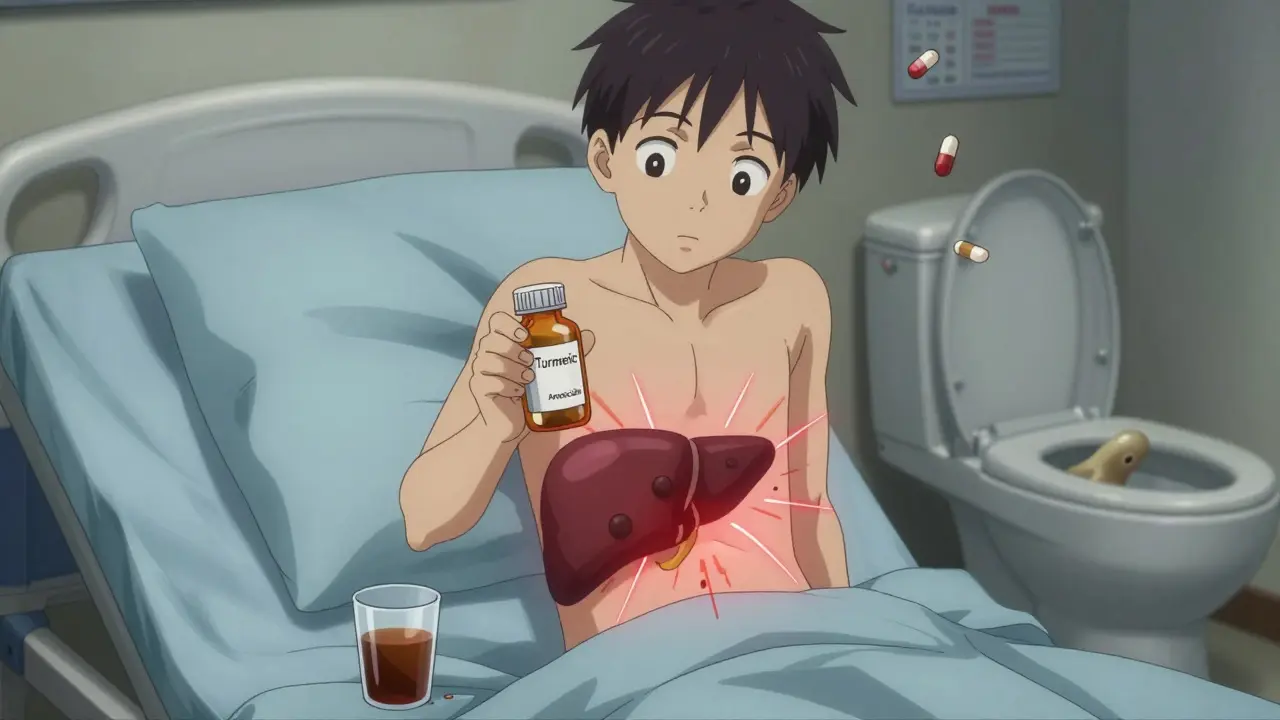
Medication-related liver damage is silent but dangerous. Learn the early warning signs, which drugs are most risky, and when to rush to emergency care before it's too late.
Read More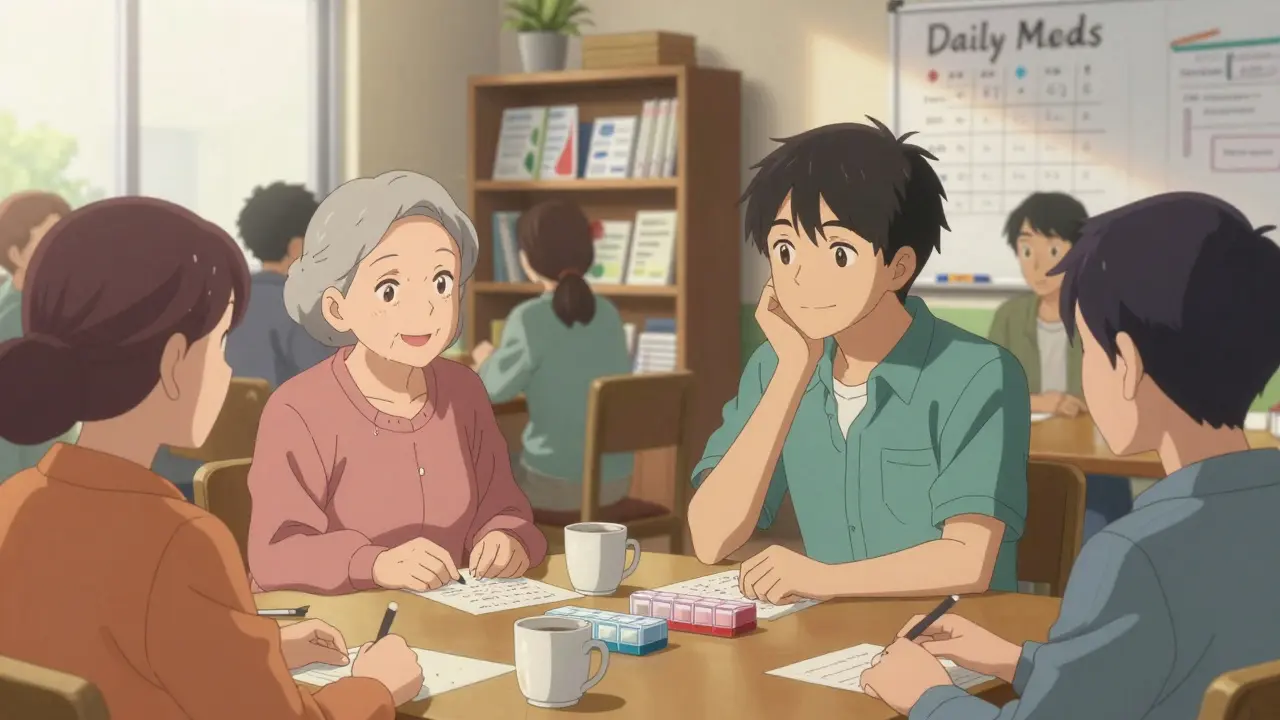
Support groups and community programs significantly improve medication compliance by offering peer support, practical tools, and emotional connection-cutting hospitalizations and helping people stick to their treatment plans.
Read More